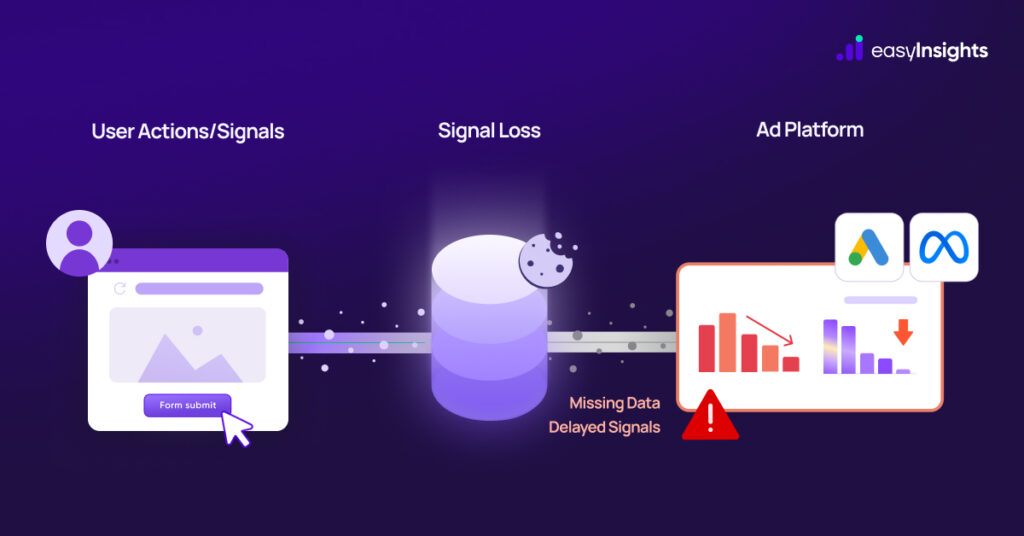
Digital advertising today runs on data signals. Platforms like Google and Meta rely on conversion signals and user behavior data to understand who should see your ads, which audiences are more likely to convert, and how campaigns should optimize bidding and targeting.
When these signals are missing, delayed, or inaccurate, ad platform algorithms struggle to learn effectively. This often leads to higher CAC, poor audience targeting, and wasted ad spend, reducing the overall efficiency of performance marketing campaigns.
In this blog, we will discuss what signal loss in digital advertising means, the key reasons behind it, and practical ways marketers can fix it to improve campaign performance.
Jump ahead to:
What is Signal Loss in Digital Advertising?
Signal loss in digital advertising occurs when ad platforms like Google or Meta fail to receive accurate conversion data or user interaction signals from websites or apps. When these signals are missing or incomplete, advertising algorithms cannot properly optimize campaigns, which affects targeting and performance.
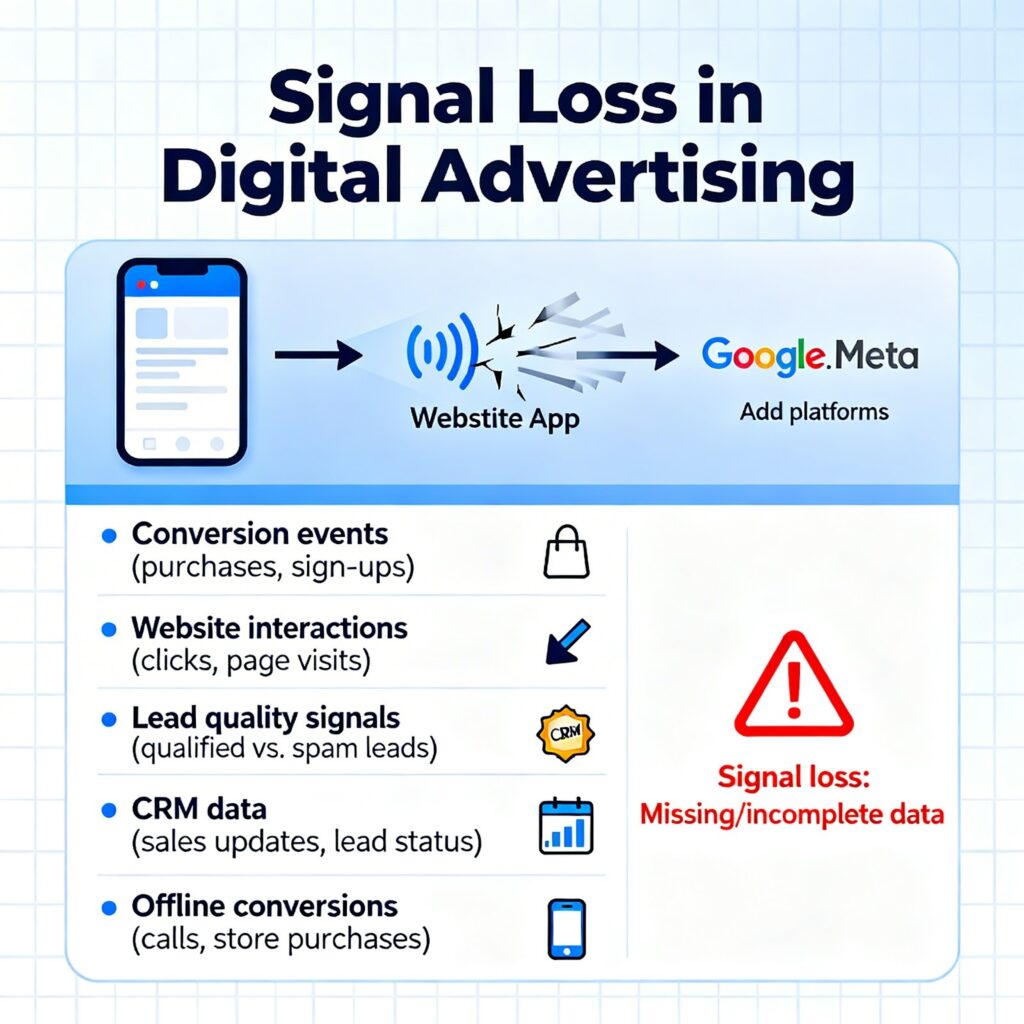
Examples of important signals include:
- Conversion events (purchases, sign-ups)
- Website interactions (clicks, page visits)
- Lead quality signals (qualified vs. spam leads)
- CRM data (sales updates, lead status)
- Offline conversions (calls, store purchases)
Why Signal Loss is Increasing Today
Signal loss in digital advertising is growing due to several changes in the digital ecosystem, including privacy rules, technology shifts, and fragmented customer journeys.
3.1 Privacy Regulations
Privacy regulations such as the General Data Protection Regulation and other global data protection laws have limited how companies collect and track user data. These rules require stricter consent, which reduces the amount of trackable user information available to advertisers.
3.2 Cookie Deprecation
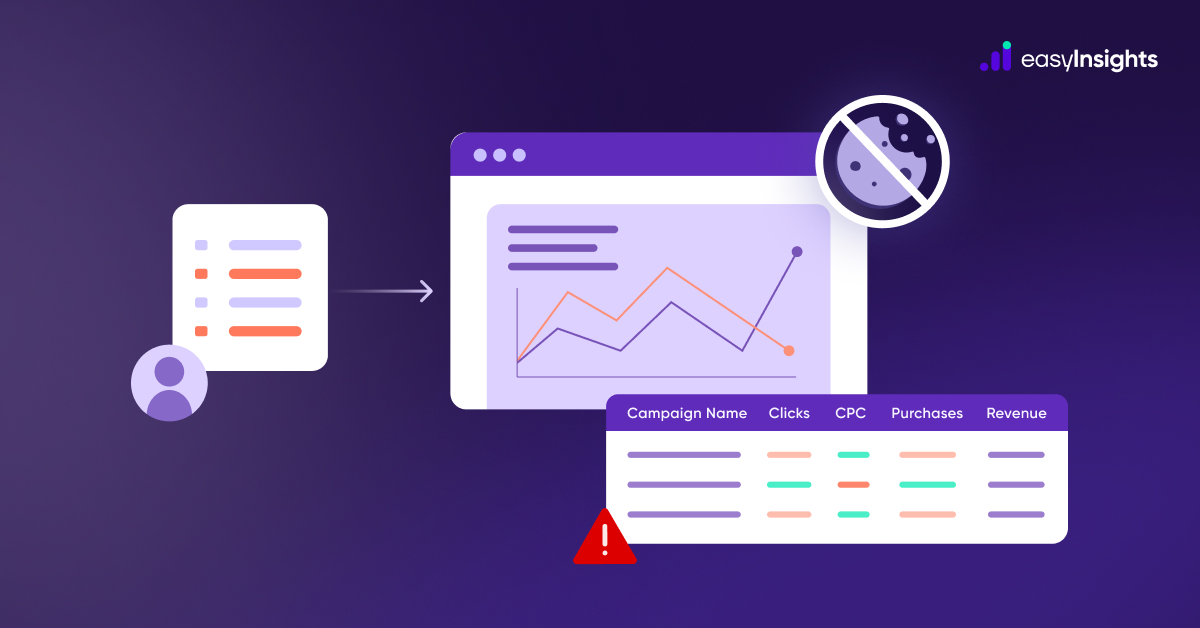
Third-party cookies, which were widely used for cross-site tracking and attribution, are being phased out by browsers like Google. This makes it harder for marketers to track users across websites and measure ad performance accurately.
3.3 iOS Tracking Restrictions
Apple introduced App Tracking Transparency, which requires apps to ask users for permission before tracking them across other apps and websites. Many users opt out, leading to reduced data signals for advertisers.
3.4 Multi-Device Customer Journeys
Today’s users often switch between mobile phones, desktops, tablets, and apps before making a purchase. This fragmented journey makes it difficult for ad platforms to connect interactions across devices.
3.5 Poor Data Infrastructure
Many companies still operate with disconnected systems. When ad platforms, CRM systems, and analytics tools are not properly integrated, important conversion signals fail to reach advertising platforms, resulting in signal loss and inaccurate campaign optimization.
The Hidden Impact of Signal Loss
Signal loss can significantly affect campaign performance and marketing ROI. When advertising platforms receive incomplete or inaccurate data, optimization decisions become less effective.
4.1 Higher Customer Acquisition Cost (CAC)
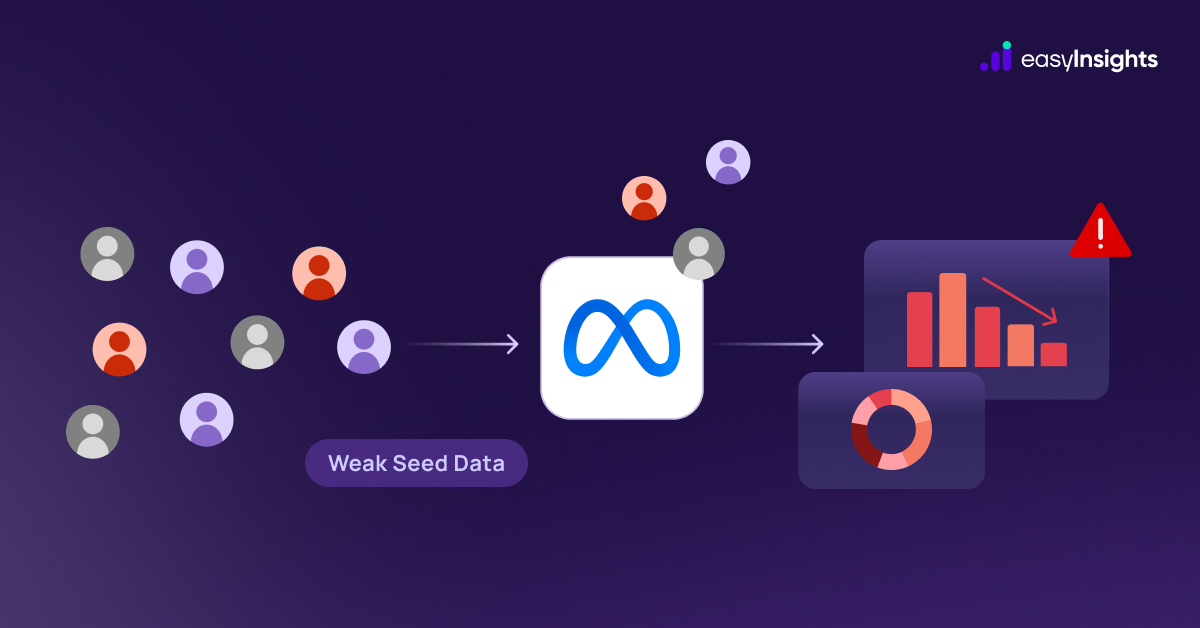
When platforms like Google and Meta optimize campaigns with incomplete conversion data, they may target less relevant audiences, increasing CAC.
4.2 Poor Campaign Optimization
Ad algorithms rely on strong signals to identify high-intent users. Without reliable signals, platforms struggle to optimize bidding, targeting, and audience selection.
4.3 Incorrect Attribution
Signal gaps make it difficult to track the full customer journey, leading marketing teams to misinterpret which channels are truly driving conversions. Source
4.4 Wasted Advertising Budget
When targeting and attribution are inaccurate, brands may continue investing in underperforming campaigns, resulting in wasted advertising spend.
Also Read: Why You’re Losing Signals Every Day – and How to Recover Them Legally with First-Party Data
Types of Signals Marketers Should Track
To improve ad optimization and campaign performance, marketers need to track different types of marketing signals across the customer journey.
1. Conversion Signals
These indicate when a user completes a key action, such as purchases, sign-ups, or app installs. Platforms like Google use these signals to optimize bidding and audience targeting.
2. Engagement Signals
These include page visits, clicks, scroll depth, and time spent on site, which help platforms understand how users interact with your content.
3. Intent Signals
Intent signals capture lead qualification data, form responses, or product interest, helping marketers identify users who are more likely to convert.
4. Offline Signals
These signals come from CRM updates, sales calls, and final revenue data.
Why Post-Lead Signals Matter
Post-lead signals such as lead qualification, sales outcomes, and revenue data are especially valuable because they help ad platforms optimize not just for leads, but for high-quality conversions and actual business outcomes.
How to Fix Signal Loss in Digital Advertising
Reducing signal loss in digital advertising requires improving how conversion data is collected, shared, and used across marketing systems. By strengthening data infrastructure and tracking methods, marketers can restore accurate conversion signals and improve campaign optimization.
6.1 Implement Server-Side Tracking
Server-side tracking allows businesses to send conversion data directly from their servers instead of relying only on browser cookies. This helps maintain reliable marketing signals even when browser tracking is restricted, improving data accuracy and performance marketing measurement.
6.2 Use Conversion APIs
Tools such as the Meta Conversions API help advertisers send conversion data directly to ad platforms. This improves signal quality, attribution accuracy, and ad campaign optimization.
6.3 Integrate CRM and Marketing Data
Connecting ad platforms with CRM systems ensures that lead status, customer data, and sales outcomes are captured as marketing signals. Platforms like Google and Meta can then optimize campaigns using more complete customer journey data.
6.4 Track Post-Lead Outcomes
Instead of optimizing only for form submissions, businesses should send qualified lead and revenue signals back to advertising platforms. This helps algorithms optimize for high-intent users and real conversions, not just raw leads.
6.5 Improve Data Quality
Filtering spam leads, duplicate entries, and low-intent submissions ensures that ad platforms receive cleaner signals. Better data quality in digital advertising leads to improved targeting, stronger optimization, and more accurate marketing attribution.
How EasyInsights Helps Recover Lost Signals
EasyInsights helps marketers recover and strengthen marketing signals by:
- Verifying leads using AI-driven intent verification
- Connecting CRM, marketing platforms, and sales data
- Feeding high-quality conversion signals back to ad platforms
- Enabling better campaign optimization and attribution
This ensures ad platforms optimize for real buying intent rather than raw form submissions.
Future of Signal-Based Marketing
- Rise of first-party data strategies
- Server-side tracking adoption
- AI-driven signal analysis
- Deeper integration between marketing and sales data
Conclusion
Signal loss is one of the biggest hidden challenges in modern digital advertising.
Without strong signals:
- Platforms cannot optimize effectively
- Attribution becomes unreliable
- Marketing budgets get wasted
By improving data infrastructure and leveraging solutions like EasyInsights, brands can restore signal quality and drive better marketing performance.
| Struggling with signal loss across Meta, Google, or iOS campaigns? EasyInsights restores lost signals using first-party, server-side tracking – so your campaigns never optimize blind. See how EasyInsights can help |