Most brands pour money into acquiring customers, but then watch revenue plateau because their upsell and retention campaigns don’t actually work. Emails go unopened, messages feel generic, and customers slip away not because offers are bad, but because campaigns are out of sync with real customer behavior.
A big reason is that many teams rely on delayed or fragmented data instead of understanding what customers are doing in real time, which means they miss the right moment to upsell or intervene before churn. This gap in timely signals and data integration is a core reason lifetime value doesn’t grow as expected, despite busy marketing calendars.
In this blog, we’ll uncover why traditional approaches fall short and how real-time behavioral and intent signals – not just static segments and delayed data – can transform your upsell and retention strategies into machines that truly drive LTV.
Jump ahead to:
The LTV Myth: Why More Touchpoints ≠ More Revenue
Many teams believe that sending more emails, offering more discounts, or building more CRM journeys will automatically increase revenue. But more activity doesn’t always mean more value. Too many emails often lead to fatigue, not loyalty, and frequent discounts may drive short-term sales while hurting long-term customer value. Studies show that relevance and timing matter far more than volume when it comes to retention and LTV.
The real issue is that most campaigns are rule-based, not behaviour-based. They rely on past actions or fixed schedules instead of what customers are doing right now. As a result, brands react to historical data rather than real intent – missing the moments when customers are actually ready to engage, upgrade, or stay longer.
Where Upsell & Retention Campaigns Actually Break
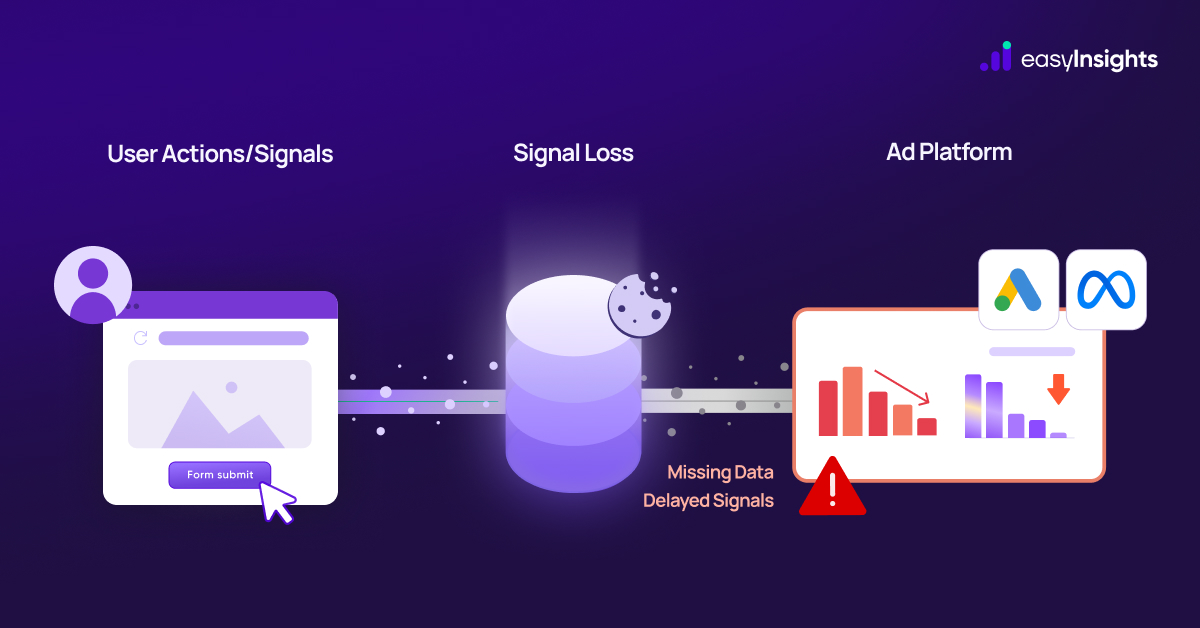
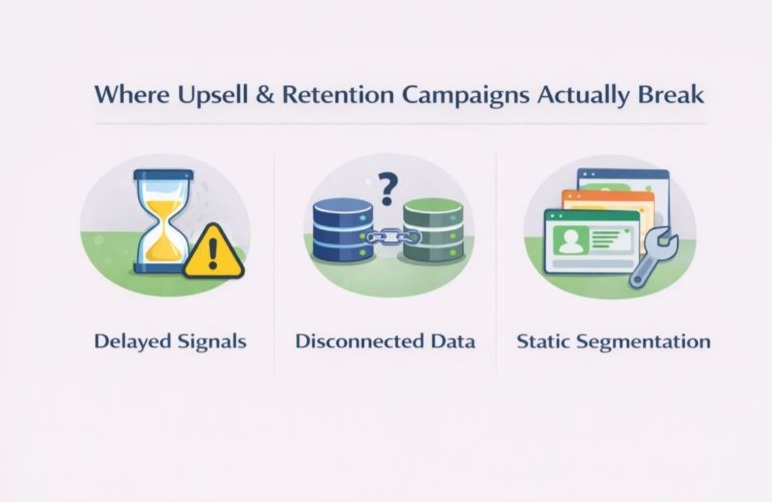
Upsell and retention campaigns fail not because of weak offers, but because teams act on late, scattered, and static data, missing customer intent when it matters most.
- Delayed Signals
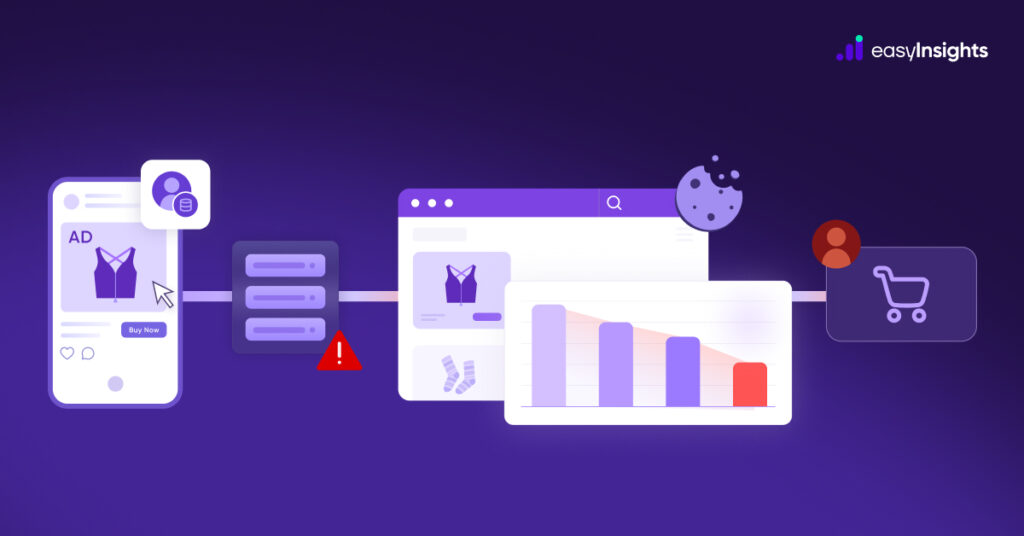
Most customer data shows up hours or days late. By the time an upsell or retention trigger fires, the moment of interest is already gone. Real intent lives in real-time behavior, not yesterday’s reports.
- Disconnected Data
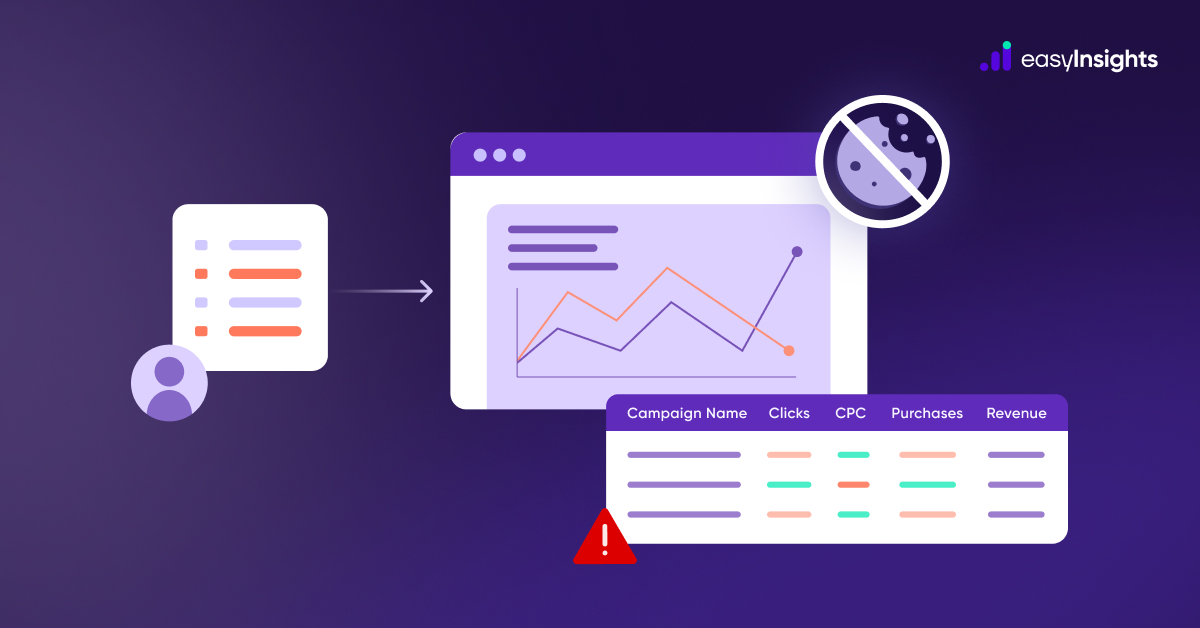
Customer data sits across CRMs, analytics tools, email platforms, and ad accounts that don’t sync in real time. Without a unified view, decisions are based on partial signals, turning campaigns into guesswork. - Static Segmentation
Labels like “active” or “churn-risk” don’t update as customer behavior changes. Customers move fast, but static segments don’t cause missed opportunities and mistimed messaging.
What Modern LTV Growth Really Needs
To truly grow lifetime value, brands need to stop planning campaigns around fixed calendars and start acting on real-time behavioral signals – meaning they respond to what customers are actually doing right now, not what they did yesterday or what the marketing calendar says.
When you use moment-based triggers (like someone abandoning a cart or engaging with a product right now), you connect with customers at the moments they actually care, instead of pushing irrelevant messages on a schedule. That’s why real-time data–driven marketing boosts engagement, personalization, and repeat purchases far more than traditional batch campaigns ever can.
What Are Real-Time Signals (And Why They Matter)?
Real-time signals are immediate clues that show what a user is doing right now – not just what they did yesterday. These signals help you know when to upsell, when to retain users, and when to back off.
- In-app behavior: Actions like sudden spikes in feature use or users dropping off activity tell you when someone is most engaged or losing interest – perfect moments to offer upgrades or help.
- Purchase velocity changes: If someone starts buying more often or suddenly slows down, it tells you they may be ready for an upsell or at risk of churn – faster than waiting for reports later.
- Engagement depth: It’s not just about opens or clicks – it’s about how deeply someone interacts (like browsing product features, spending time in-app, or filling carts). These deeper actions show real intent.
- Repeated friction points: Patterns like repeated form abandonment, rage clicks, or dropped checkouts signal friction and possible churn – letting you intervene before it’s too late.
Real-time signals show exactly when to act, nudging engaged users toward upgrades, offering help when they struggle, or pausing outreach when interest fades. By responding in the moment of real intent, brands boost conversions and lifetime value instead of reacting after the opportunity is gone.
Also Read: 7 Ways to Reduce Customer Churn Rate
How Real-Time Signals Power Better Upsell Campaigns
Real-time signals help brands upsell when customers are already seeing value. Instead of pushing random offers, smart campaigns trigger upgrades based on live behaviour, like heavy feature usage, hitting limits, or repeated interest, making the offer timely and relevant.
By personalizing messages around what users are doing right now (for example, exploring a premium feature or viewing an upgrade page), upsells feel helpful rather than intrusive. Acting in the moment and adjusting offers to actual behavior instead of fixed schedules boosts engagement, conversions, and trust. source
How Real-Time Signals Improve Retention
Retention improves when brands act on what customers are doing right now, not what they did days ago. Real-time signals capture live behaviour-usage drops, feature engagement, repeat actions, or inactivity, and teams can intervene before disengagement turns into churn.
EasyInsights makes this possible by unifying real-time, first-party signals from product, CRM, and marketing tools into a single, reliable data layer. Instead of delayed reports and disconnected dashboards, teams get fresh, actionable signals they can immediately activate across ads, email, and lifecycle campaigns.
With accurate, real-time data:
- Early churn signals are detected before users disappear
- Retention messages are triggered at the right moment
- Campaigns adapt dynamically as user behavior changes
EasyInsights turns real-time signals into timely actions-helping brands retain customers by responding when intent is highest, not after it’s lost.
Conclusion
Real growth doesn’t come from pushing harder. It comes from acting at the right time. The best upsell happens when a user is already seeing value. The best retention happens before they start drifting away.
When you move from delayed reports to real-time signals, LTV stops being something you analyze at the end of the month. It becomes something you can influence day by day, user by user.
That’s where platforms like EasyInsights fit in: not by changing your strategy, but by making sure your data shows you exactly when to act.
Book a demo with EasyInsights to upscale your retention campaigns!