When Apple rolled out iOS 14.5 and enforced App Tracking Transparency (ATT), the entire digital marketing ecosystem changed overnight. What many marketers thought would be a “minor privacy update” turned into one of the biggest disruptions in paid media measurement – especially for Meta, Google App campaigns, and any platform relying on deterministic identifiers like IDFA.
Here’s a clear, structured explanation of why tracking fell apart, backed by data, platform documentation, and the actual mechanics under the hood.
Jump ahead to:
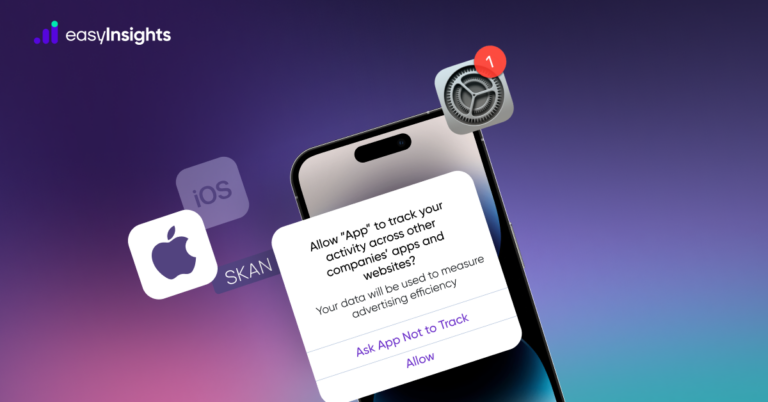
Apple Killed Default Cross-App Tracking
Before iOS 14.5, apps could automatically access the IDFA (Identifier for Advertisers), which made attribution easy:
- Ad click → IDFA → App/site activity → Conversion → Attribution
- No prompts, no permissions, no friction.
After ATT, users must explicitly opt-in to tracking.
Only 15–25% of users opt-in globally
This means 75–85% of iOS users disappeared from platform-level tracking.
Impact:
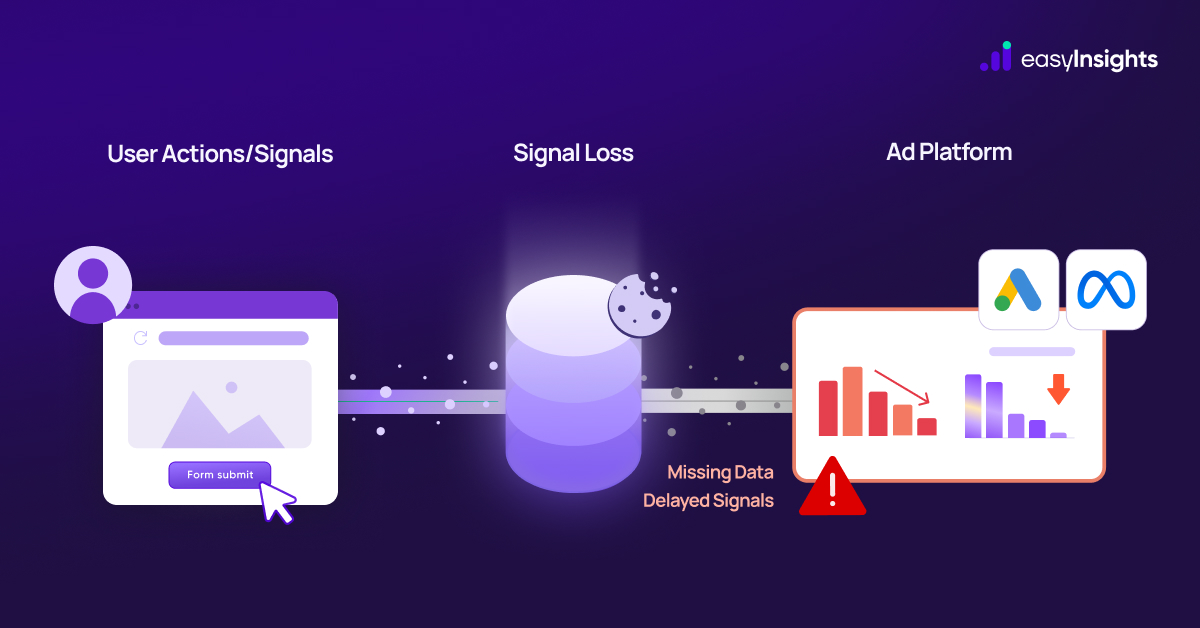
Platforms lost deterministic signals → attribution accuracy dropped → optimisation models weakened.
Meta Lost the Pixel’s Ability to Track iOS Users Reliably
Meta relied heavily on cross-site cookies + the pixel + IDFA.
iOS 14 broke all three pillars:
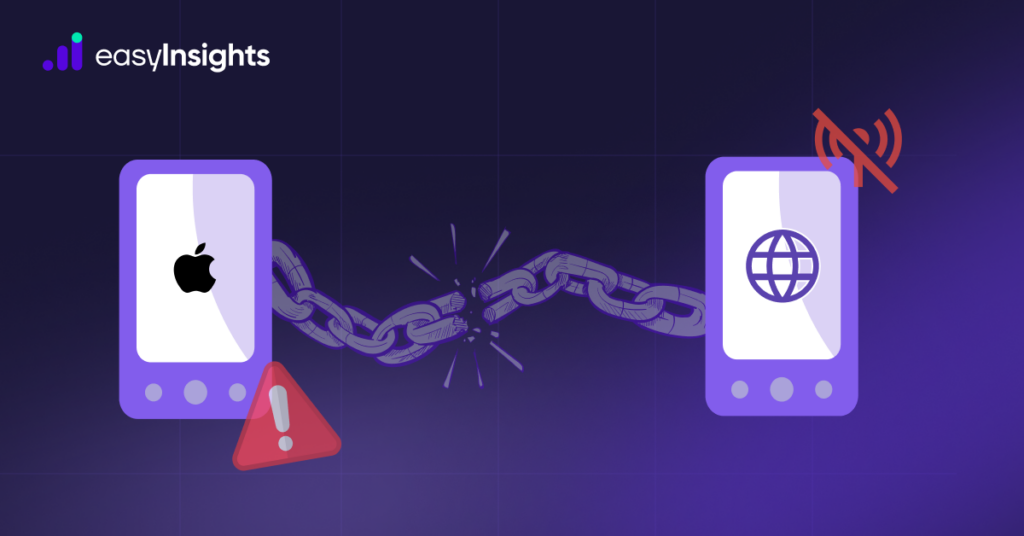
a. No IDFA → Can’t match ad click → user → conversion.
b. Safari blocks third-party cookies (via ITP).
c. Pixel events from iOS browsers lost reliability
Because Safari blocks tracking scripts aggressively.
Result:
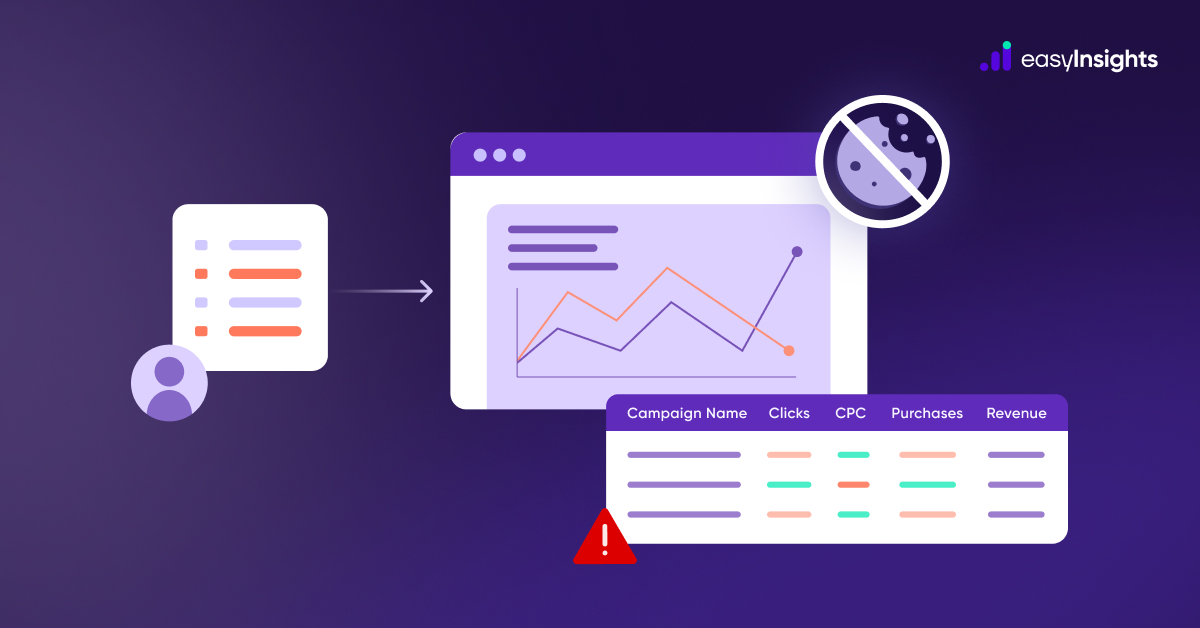
- Under-reported conversions
- Broken retargeting pools
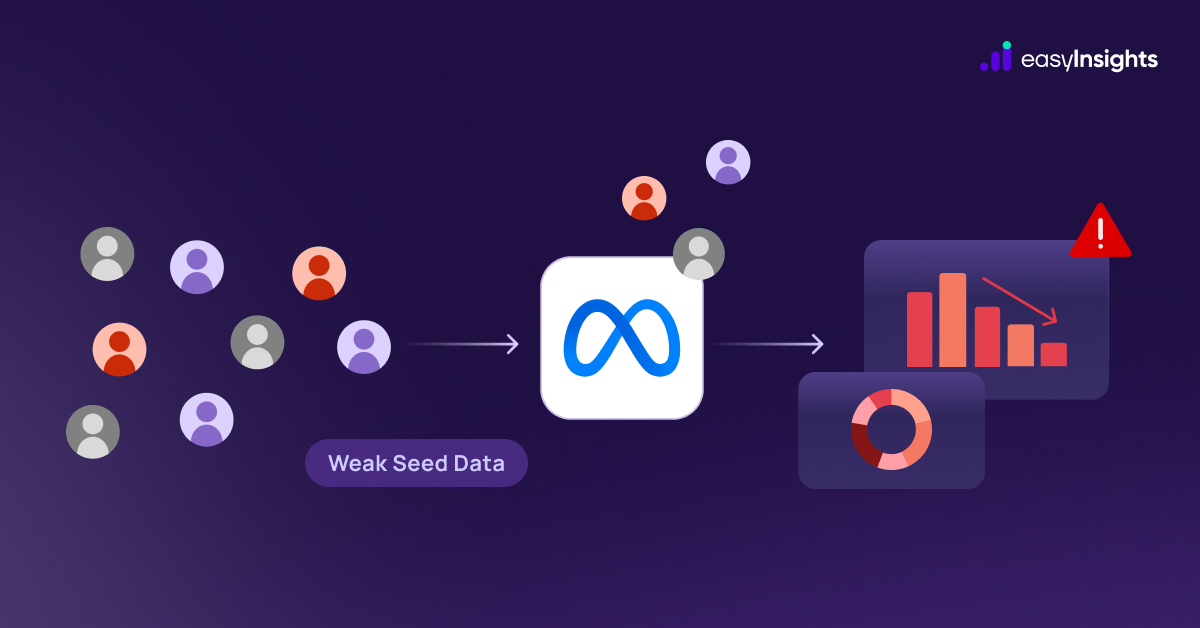
- Shrinking lookalike audiences
- Higher CPAs (because optimisation got blind)
Shortened Attribution Windows Reduced Your Reported Conversions
Before iOS changes, Meta allowed windows like 28-day click, 28-day view.
After iOS:
- Meta defaulted to 7-day click, 1-day view
- iOS conversions after 24-48 hours were often lost
- Google Ads also saw similar view-through and delayed conversion impact
If your business has:
- Long sales cycles
- High-consideration purchases
- Lead qualification time
your reported conversions dropped even though real conversions didn’t.
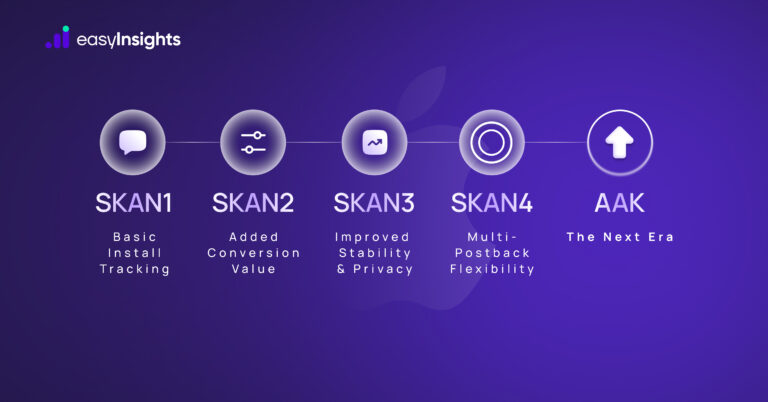
SKAdNetwork Replaced Granular Attribution
Apple introduced SKAdNetwork (SKAN).
Good intention. Terrible for performance marketers.
It’s:
- Aggregated (no user-level data)
- Delayed (up to 24-48 hours)
- Capped (64 conversion values until SKAN 4)
- Opaque (no event pathways, no source breakdown)
Platforms now receive:
- Fewer signals
- Later signals
- Less actionable signals
So your optimisation and reporting both suffer.
Even today, SKAN 4.0 has improved things slightly, but it’s still fragmented and incomplete.
Your Retargeting Pools Shrunk Overnight
Since you couldn’t track most iOS users:
- Website custom audiences became smaller
- App activity audiences shrank
- Lookalike audiences weakened
- Funnel-based remarketing collapsed
For many brands, retargeting ROAS dropped 30-60% simply because the audience size reduced.
The Domino Effect: Your Optimisation Started Learning From Junk
Less data → slower learning → algorithm misfires.
Meta’s algorithm, for example, lost:
- Purchase events
- ATC/IC signals
- User-level matching
- Long-tail attribution insights
With weak signals, ML models optimise toward:
- Cheap low-quality users
- Accidental clickers
- Non-purchasers
- Junk leads
This is why CPAs shot up even though demand didn’t change.
Why Today’s Fix Is Not the Pixel – It’s Server-Side + First-Party Data
Modern platforms publicly recommend:
Meta → “Send high-quality, server-side signals using the Conversions API.”
Google → “Provide enhanced conversions and first-party data for accurate attribution.”
Because:
- Browser tracking is dying
- IDFA is gone
- SKAN is limited
- User journeys are cross-device and multi-step
Forward-thinking brands now use:
- Server-side event tracking
- Offline conversion uploads
- CRM integrations
- Corridor-based attribution models
- Event deduplication frameworks
- Tools like EasyInsights to unify and reconcile events
This is literally the future of measurement.
Also read: How ATT, the loss of IDFA, and SKAdNetwork reshaped digital marketing forever.
How to Rebuild Clean, Reliable Data Flows (Post-iOS)
The reality after iOS is simple:
Pixel-only tracking is dead.
To regain accuracy and feed your ad platforms with stable optimisation signals, you need to rebuild your measurement stack around server-side, consent-driven, deduplicated, first-party data flows.
Here’s the framework high-performing brands use today:
Shift From Browser-Side to Server-Side Tracking
Browser-side signals (pixel, gtag, scripts) are fragile because of:
- Safari ITP
- Browser blocking
- Ad blockers
- Cookie expiration
- iOS App Tracking Transparency
Server-side events bypass these issues.
They fire from your servers, not a user’s device – making them more stable, deduplicated, and persistent.
Example:
- Pixel triggered → may be blocked or lost
- Server-side event → always delivered, timestamped, and matched with high accuracy
Turn First-Party Data Into Clean, Consent-Based Signals
Marketers today must own the journey:
- Emails
- Phone numbers
- Form fields
- CRM touchpoints
- App interactions
- Checkout actions
Platforms like Meta, Google, and TikTok all now emphasize: Provide hashed, privacy-safe user data to improve attribution.
Implement Event Deduplication (Critical After iOS)
One of the biggest mistakes brands make post-iOS:
- Pixel fires
- Server-side fires
- Both get counted
- Data gets inflated
- Algorithms get confused
A proper setup links both events using a shared event_id, ensuring only one is counted.
Without this, your platform is learning from:
- Duplicate Add to Carts
- Duplicate Purchases
- Junk events
How EasyInsights Solves Post-iOS Tracking Issues
Reliable Server-Side Tracking: EasyInsights sends conversion events from your server instead of the browser, so events are not blocked by iOS, ad blockers, or cookie limits.
Removes Duplicate Events: Events are sent with a unique event ID, ensuring a Purchase, Lead, or Add to Cart is counted only once.
Combines Web, App, and CRM Data: EasyInsights brings together data from your website, mobile app, payment systems, and CRM to create a complete conversion path.
Sends Offline Results Back to Ad Platforms: It automatically sends CRM outcomes (qualified lead, demo, sale) to Meta and Google so the platforms optimise for actual results instead of unqualified leads.
Conclusion
iOS changed how tracking works, and the old pixel-based methods no longer provide accurate data. To run effective campaigns today, you need clean, server-side signals, proper deduplication, and a consistent view of conversions across web, app, and CRM.
Rebuilding your data flow is not optional anymore – it is the foundation for accurate reporting, stable optimisation, and better ROI. Tools like EasyInsights help brands restore reliable tracking by unifying events, removing duplicates, and sending correct conversion outcomes to ad platforms.
The brands that adapt to this new measurement system will continue to scale. The ones that rely only on pixel tracking will fall behind.
Track your complete user journey with EasyInsights – Book a demo Today!