In today’s privacy-first digital era, consent isn’t just a legal checkbox – it’s the new currency of marketing performance. But here’s the hard truth: most businesses believe that simply installing a consent management tool (CMP) automatically syncs user privacy choices with their ad platforms. They don’t – and that confusion is silently destroying campaign measurement, undermining audience targeting, and bleeding performance insights.
Imagine spending millions on Google Ads, Meta campaigns and programmatic channels – yet only seeing partial conversion data because your privacy stack failed to communicate what users actually opted into.
In this article, we break down why consent tools don’t “talk” to ad platforms, the impact of that disconnect on your performance marketing, and how you can bridge the gap to ensure privacy and performance coexist – not collide.
Jump ahead to:
The Consent Landscape Has Changed – And Fast
Privacy regulation is no longer a fringe requirement:
- GDPR penalties can reach up to 4% of annual global turnover or €20 million for non-compliance.
- Laws like CCPA/CPRA are expanding consent requirements globally.
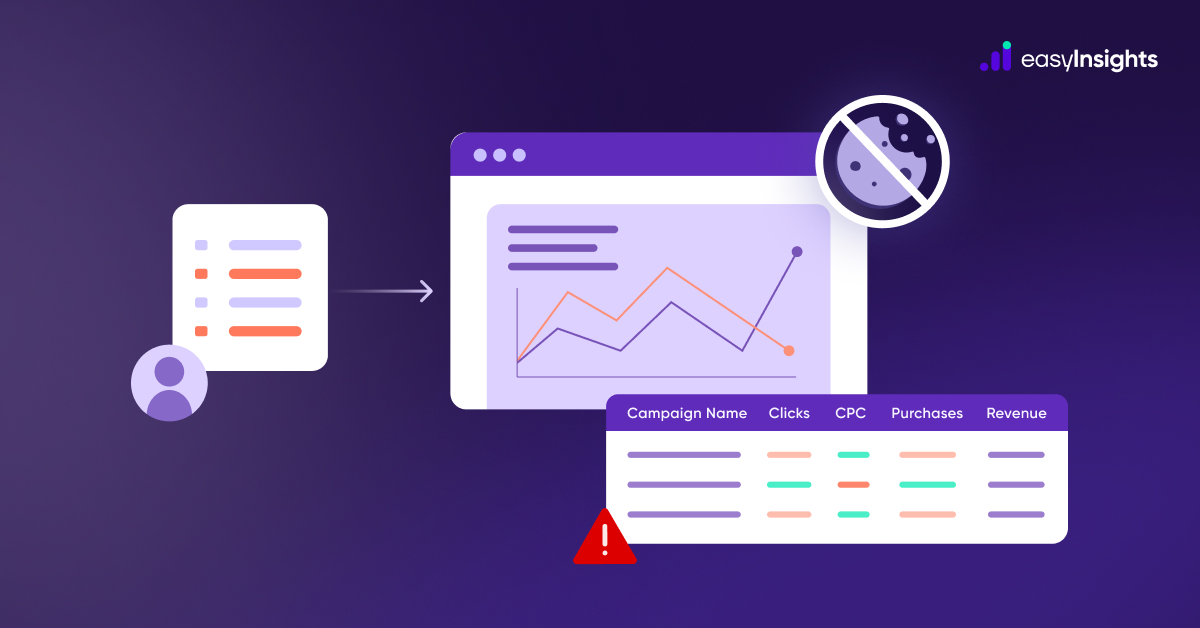
- Third-party cookies – the backbone of traditional ad tracking – are now deprecated on Chrome and Safari.
When legislation restricts tracking, user consent isn’t just polite – it’s mandatory. Without explicit consent for ad personalization and tracking, platforms cannot legally collect, store, or share user data for targeting or measurement.
But here’s the twist: collecting consent and communicating it downstream are two different problems – and many companies only solve half of it.
Why Your CMP Isn’t Enough on Its Own
A Consent Management Platform (CMP) is designed to collect and record user privacy preferences, often through cookie banners or preference centers. But in many setups:
- Consent preferences are collected but never shared correctly with ad platforms.
- CMPs often don’t automatically push the consent signals to analytics, advertising tools, or tag managers.
- Misconfigured consent signals mean ads keep firing for users who opted out – risking non-compliance.
In fact, CMPs weren’t originally built to act as a universal communication hub between user consent choices and every marketing platform in your tech stack – that’s why the “talk” often breaks down.
As one privacy expert summarizes, CMPs handle consent display and storage, but they don’t ensure that every third-party system (pixels, SDKs, analytics) honors those preferences automatically – leaving you exposed.
The Technical Disconnect: What’s Going Wrong Under the Hood
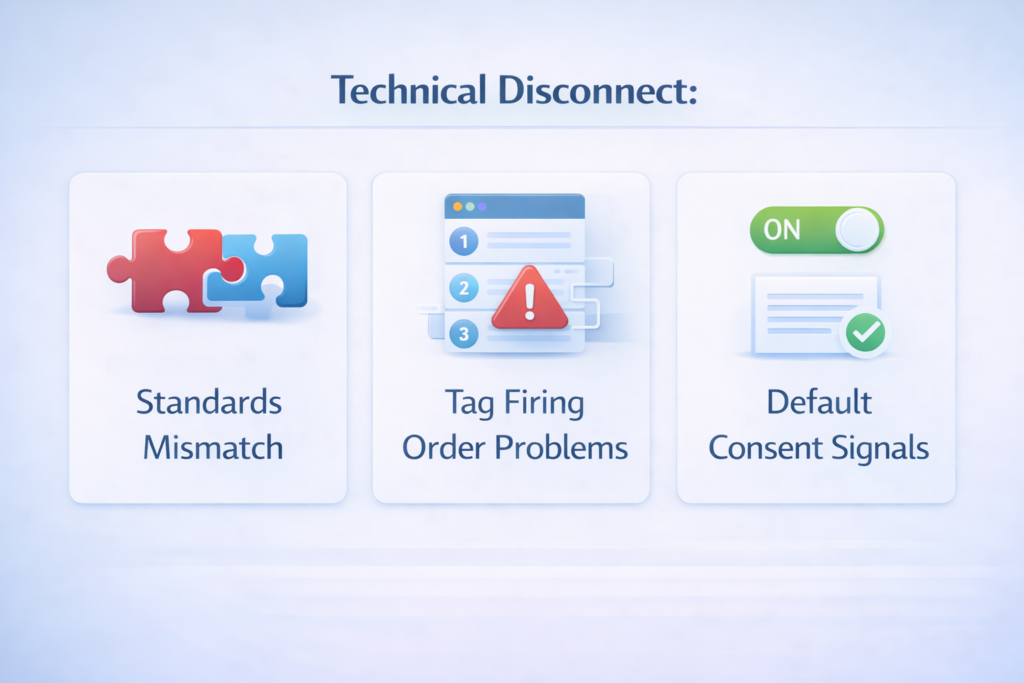
Here’s why your consent setup might not be speaking ad platform language:
Standards Mismatch
Consent tools and ad platforms speak different protocols. Industry standards like IAB’s Transparency and consent framework help, but ad platforms still interpret signals differently unless integrated correctly.
Tag Firing Order Problems
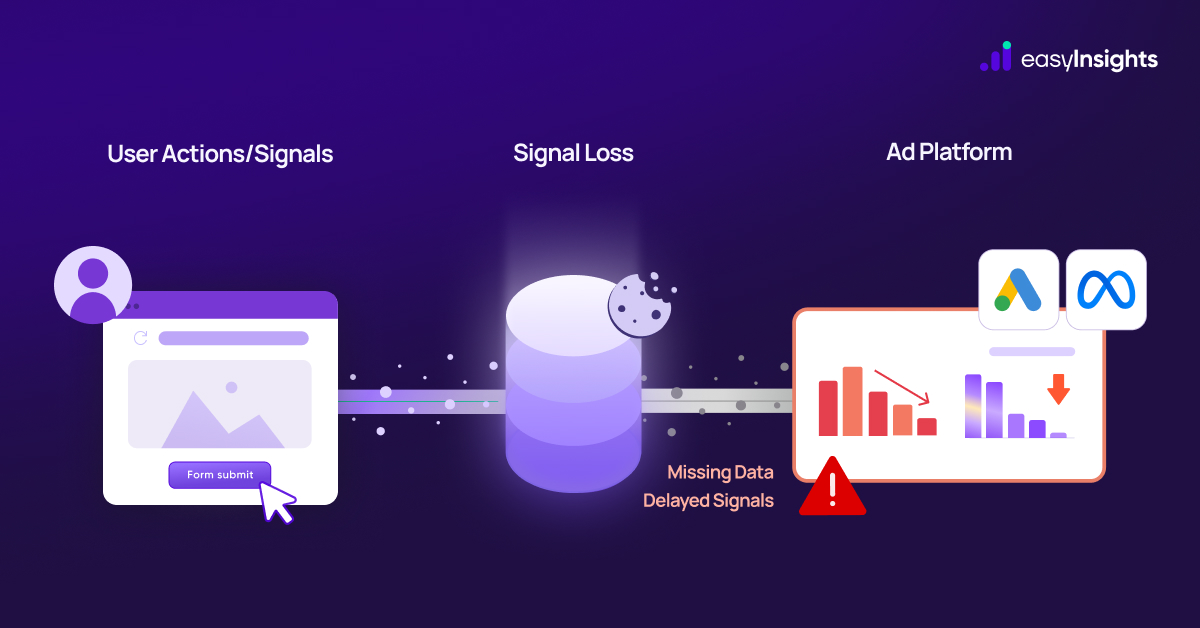
Even if consent is recorded, if the CMP doesn’t signal before tracking tags fire (e.g., Google Analytics or Meta Pixel), user consent isn’t respected – and data gets lost or misattributed.
Default Consent Signals
When consent is not communicated properly, platforms may assume a deny – reducing data available for performance reporting – or worse, assume allow – risking legal exposure.
The Performance Impact – Real, Measurable Losses
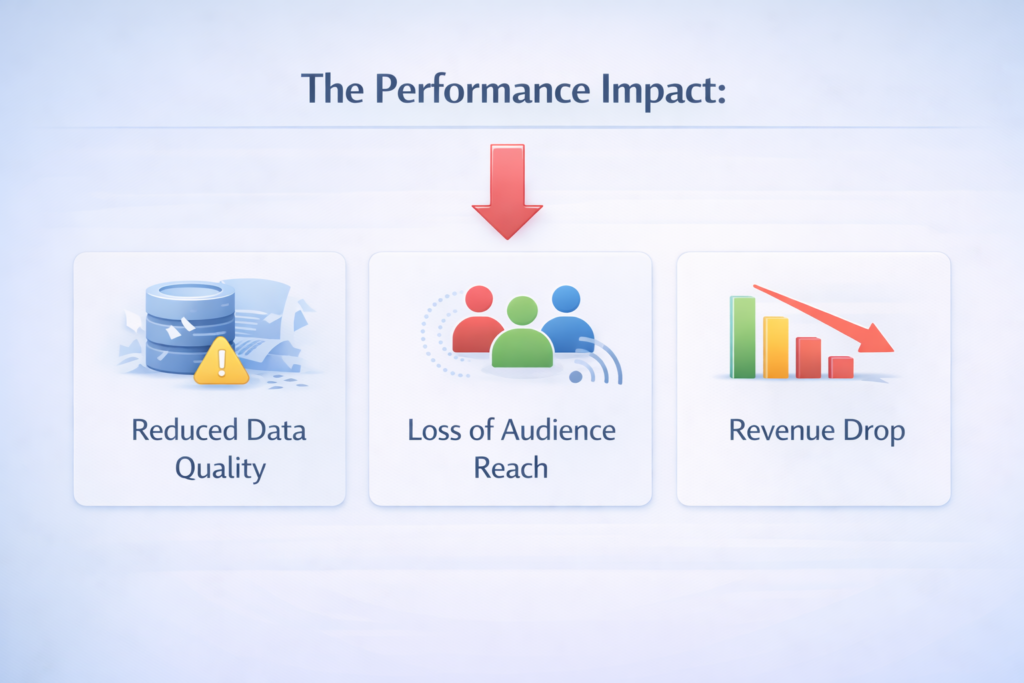
Here’s how this disconnect hits performance:
Reduced Data Quality
Advertisers globally have reported drops in measurable conversions and audience sizes since privacy changes and consent enforcement.
When users decline consent – and that signal isn’t properly passed – Google Ads, Meta, TikTok and others can’t track those users. That leads to:
- Incomplete conversion attribution – making campaigns look worse than they actually performed.
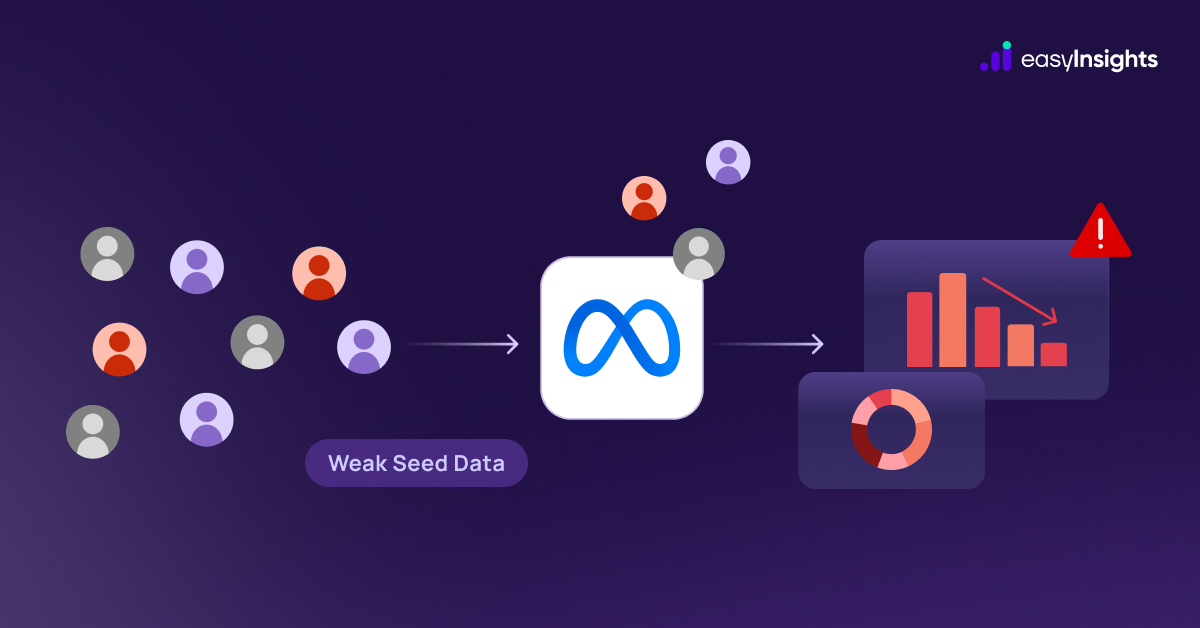
- Smaller remarketing audiences – reducing personalization and increasing costs per acquisition.
- Higher uncertainty in ROI calculations – because conversions from non-consenting users are invisible.
Loss of Audience Reach
Privacy-driven declines in cookie tracking have reduced addressable audiences by 20-40% in some regions.
Revenue Drop
Some publishers without proper CMP setups see up to 30% less programmatic revenue – simply because demand partners can’t bid effectively without consent signals.
Privacy Doesn’t Have to Kill Performance
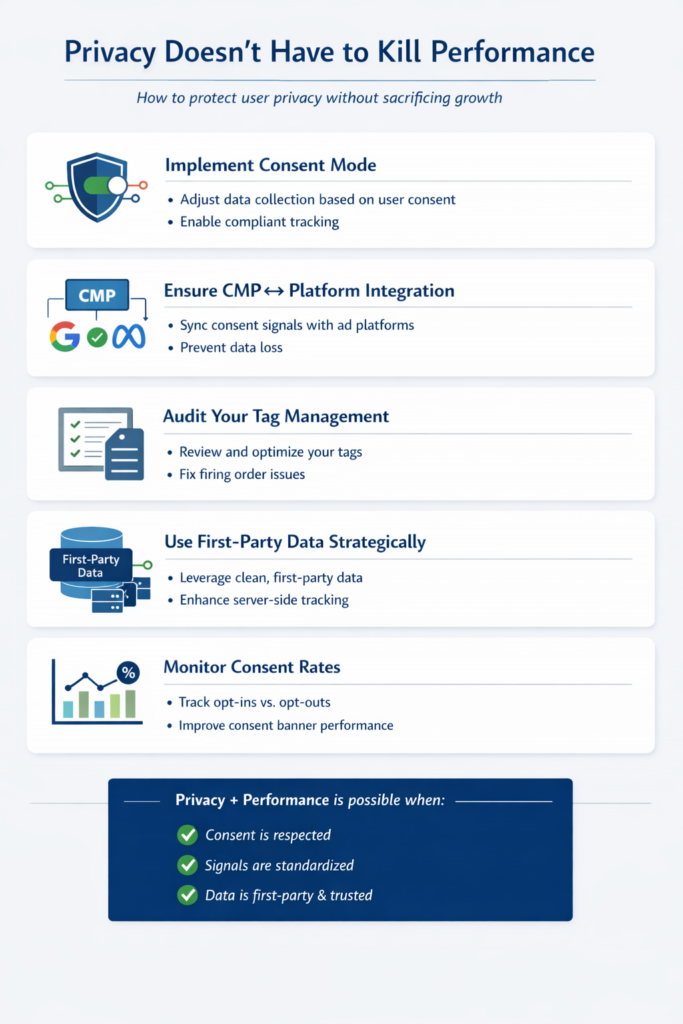
Here’s how to fix the disconnect and make consent work for performance:
Implement Consent Mode or Equivalent Features
Tools like Google Consent Mode v2 adjust tracking behavior based on user consent – and help preserve visibility on conversions even when consent is denied. Properly configured, it can recover significant conversion modeling.
Ensure CMP ↔ Platform Integration
Make sure your CMP is certified and fully integrated with your ad platforms (Google, Meta etc.) so consent signals propagate correctly downstream.
Audit Your Tag Management
Verify that consent signals are pushed before your analytics and marketing tags fire – especially in tools like Google Tag Manager.
Use First-Party Data Strategically
Since third-party cookies are disappearing, first-party data (email subscriptions, logged-in behavior) becomes a key fuel for ad performance.
Monitor Consent Rates
Benchmark opt-in rates to set realistic expectations. A typical consent acceptance rate is often well below 100% – meaning you’ll always be modeling and filling gaps with privacy-preserving alternatives.
How EasyInsights Helps
Even as privacy rules tighten and browser tracking weakens, EasyInsights helps you retain visibility with its own first-party pixel.
By collecting events through a privacy-aware, first-party pixel and server-side setup, EasyInsights ensures user interactions are captured responsibly and shared with ad platforms based on consent – not assumptions.
This means fewer lost conversions, more reliable attribution, and consistent performance measurement – even in a cookieless, consent-driven environment.
Conclusion
Consent isn’t just compliance – it’s a signal that defines what you can measure and optimize. If your consent stack doesn’t talk to your ad stack, your campaigns run blind, your ROI looks disappointing, and your optimization engine chokes on incomplete data.
At EasyInsights.ai, we help marketers bridge this communication gap – enabling privacy-aligned tracking that fuels performance, not handicaps it.
Book a demo Today!