Many marketers increase budgets, test creatives, and experiment with targeting, yet campaigns still fail to scale efficiently.
The real issue often isn’t the ads themselves. It’s the quality of the data signals being sent back to ad platforms. Without strong signals, platforms like Meta and Google cannot optimise effectively, leading to wasted spend and poor performance.
In this blog, we’ll discuss why strong data signals are critical for ad performance, how weak or incomplete signals impact campaign optimisation, and how improving signal quality can help marketers drive better results from their advertising efforts.
Jump ahead to:
What Are Data Signals in Advertising
Data signals are user actions and behavioral data that help ad platforms like Google and Meta identify which users are valuable and likely to convert. These signals train the platform’s algorithms to optimise targeting, bidding, and ad delivery.
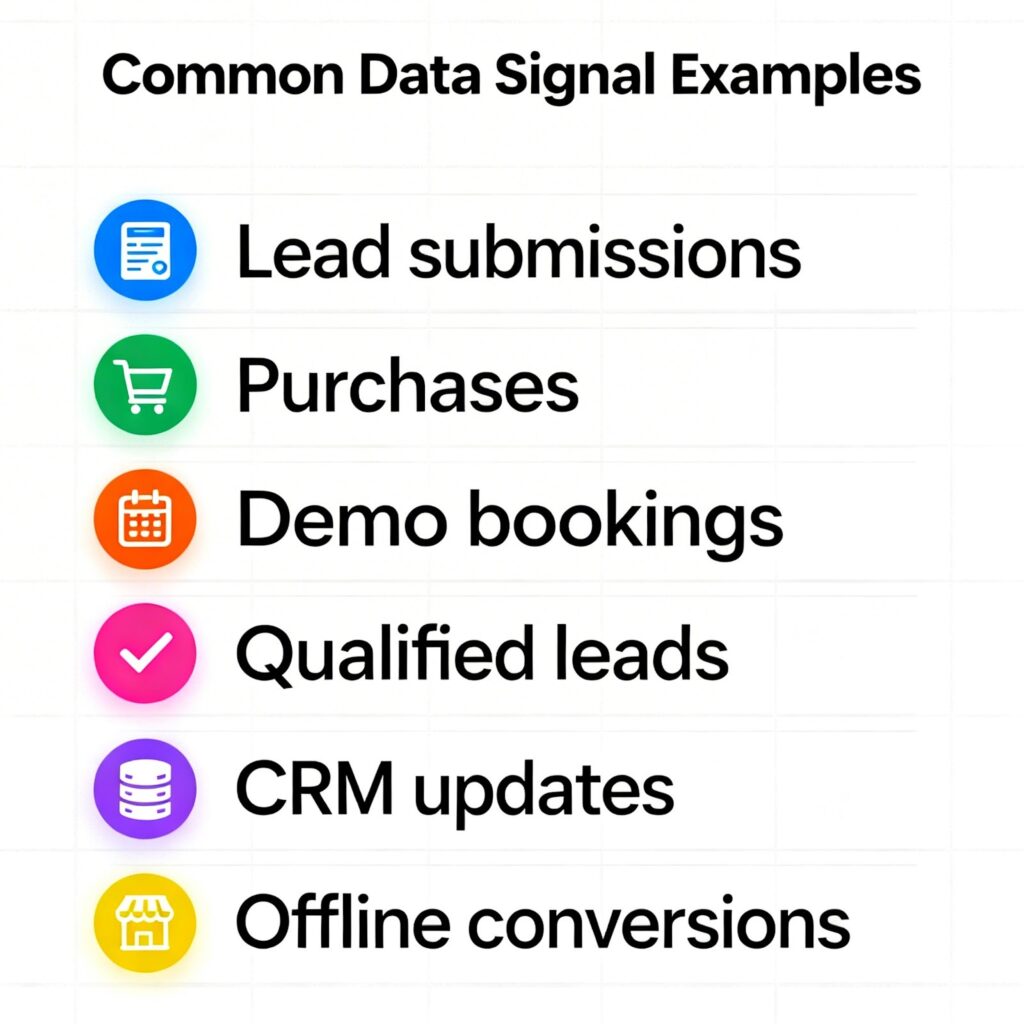
By analysing these signals, ad platforms can better understand user intent, conversion behaviour, and high-value audiences, allowing campaigns to optimise toward users most likely to take meaningful actions.
According to Gartner, poor data quality costs organizations an average of $12.9 million per year, due to incorrect decisions, wasted budgets, and inefficient operations.
Also Read: Why You’re Losing Signals Every Day – and How to Recover Them Legally with First-Party Data
Why Weak Signals Hurt Campaign Performance
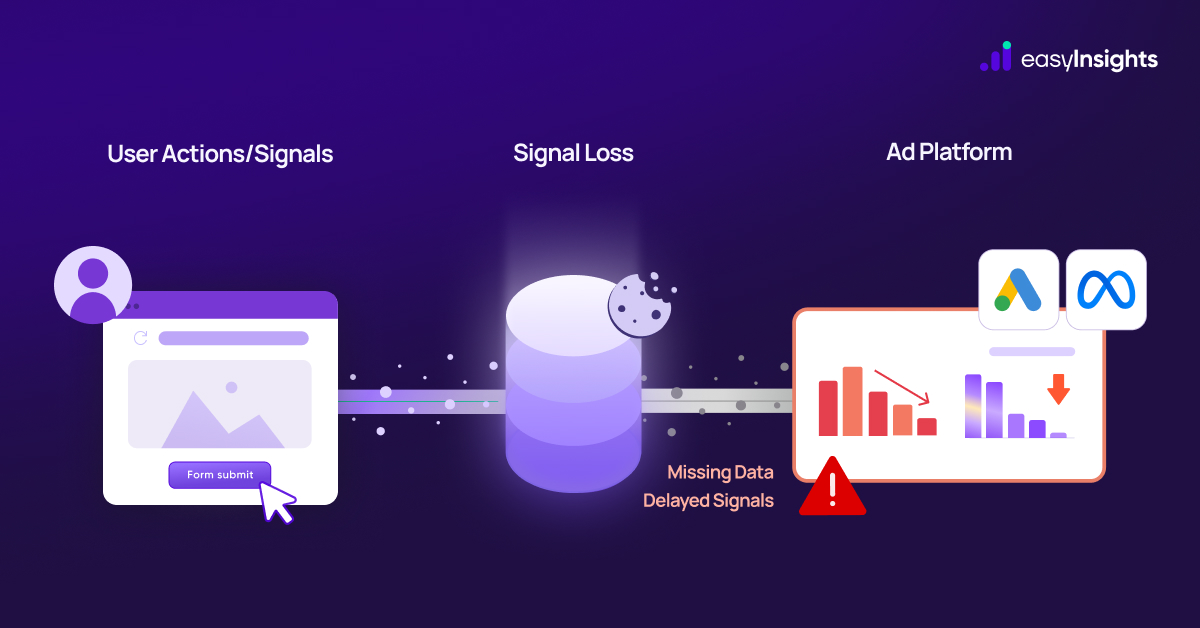
When campaigns rely on poor, delayed, or incomplete data signals, ad platforms struggle to optimise effectively, leading to inefficient performance.
1. Optimisation for the Wrong Users
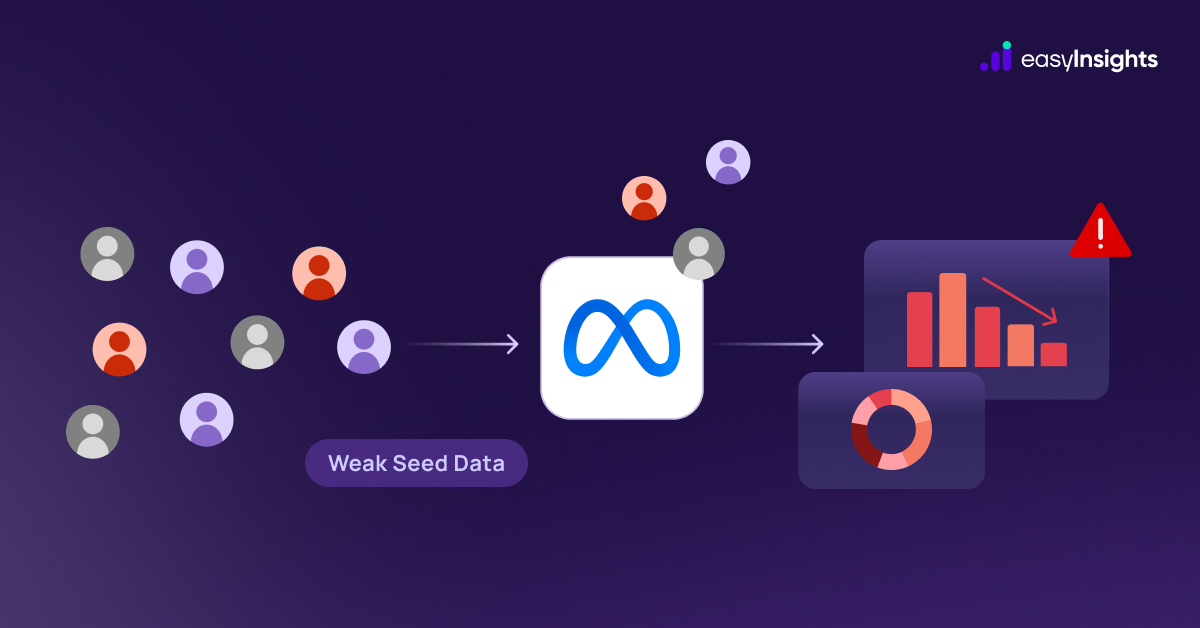
If campaigns optimise for raw leads instead of qualified leads, platforms may target users who fill forms but have little buying intent.
2. High Volume, Low-Quality Leads
Weak signals often result in more leads but fewer conversions, creating a gap between marketing performance and actual revenue.
3. Wasted Ad Spend
Budgets get directed toward audiences that appear engaged but lack real purchase intent, reducing return on ad spend.
4. Slower Optimisation Cycles
When signals are delayed, incomplete, or inaccurate, ad platforms take longer to learn, slowing campaign optimisation and scaling.
The Signal Gap in Most Marketing Stacks
For many organisations, data tracking stops at the form submission, which means ad platforms only receive top-of-funnel signals. However, the real indicators of business success happen after the lead is captured.
Key downstream events include:
- Lead qualification
- Sales calls
- Demo attendance
- Revenue conversion
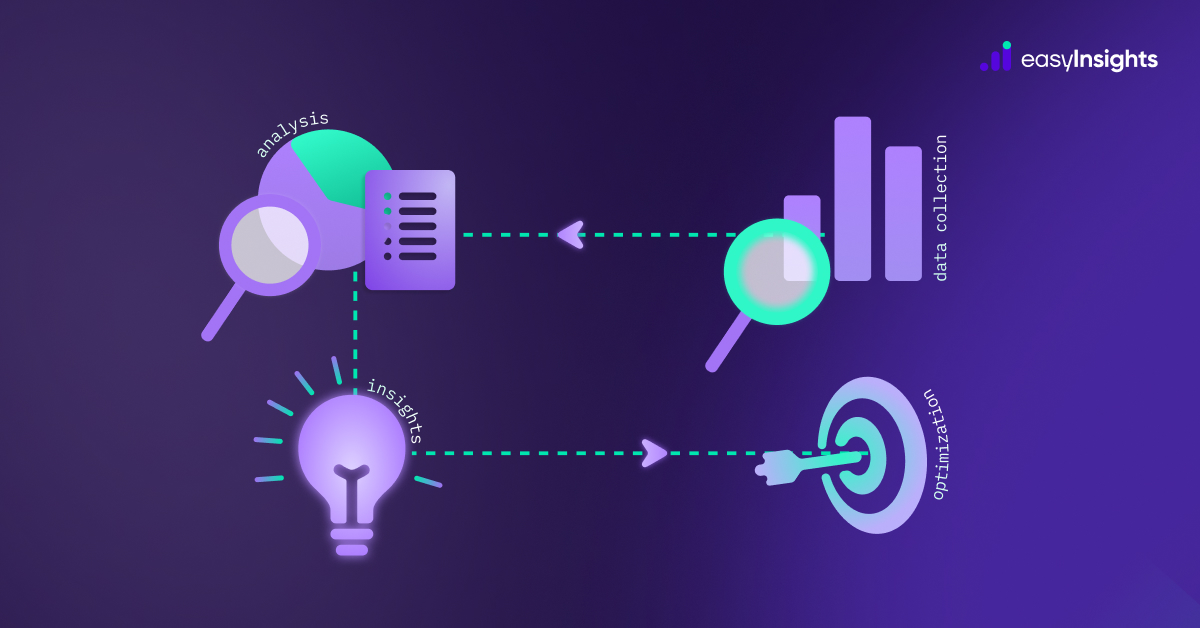
When these post-lead events are not sent back to advertising platforms, the optimisation loop remains incomplete. As a result, platforms continue optimising for basic lead submissions instead of high-quality conversions, which can reduce campaign efficiency and increase acquisition costs.
Why First-Party and Verified Signals Matter More Than Ever
With increasing privacy regulations, cookie restrictions, and tracking limitations, ad platforms now rely more heavily on first-party data signals collected directly from brands. These verified signals help platforms optimise campaigns using more reliable and privacy-compliant data.
Benefits of Strong First-Party Signals:
- Improve targeting accuracy
- Train ad platform algorithms more effectively
- Reduce CPA
- Increase conversion quality and campaign efficiency
Closing the Signal Gap with EasyInsights
EasyInsights helps marketing teams improve the quality of the data signals sent to advertising platforms.
EasyInsights helps brands to:
- Capture first-party conversion signals
- Connect CRM and offline events with ad platforms
- Send qualified lead signals back to platforms like Google Ads and Meta
- Improve campaign optimisation using better attribution data
By strengthening this data feedback loop, marketing teams allow ad platforms to optimise for real business outcomes such as qualified leads and revenue rather than just form submissions, leading to more efficient campaigns and better marketing performance.
Conclusion
Ad platforms are only as effective as the data signals they receive. When campaigns struggle to scale or generate quality conversions, the issue is often not the creative, targeting, or budget, but the lack of strong optimisation signals.
By improving data infrastructure and sending verified conversion signals back to ad platforms, brands can help algorithms optimise for real outcomes. This leads to better campaign performance, higher-quality leads, and more efficient marketing growth.
Book a demo with EasyInsights!