
Meta is giving advertisers less manual control over where their ads appear.
The platform has started notifying some advertisers that placement, platform, device, and operating system exclusions will no longer be available at the Ad Set level. The change is currently being seen in some accounts, particularly for Sales and Leads campaigns.
Jump ahead to:
What’s Changing?
Until now, advertisers using Manual Placements could decide exactly where their ads would appear.
With this update:
- You will no longer be able to exclude individual placements.
- You will no longer be able to remove specific platforms such as Facebook or Instagram.
- You will no longer be able to select between mobile and desktop devices.
- You will no longer be able to limit ad delivery to specific operating systems.
With the new setup, these exclusions may no longer be available directly within the Ad Set.
Instead, Meta will have more control over distributing ads across eligible placements based on where its system expects to generate better results.
What Can Advertisers Use Instead?
Even if Meta removes these controls from the Ad Set level, advertisers will still have a few ways to influence where and how ads are delivered.
1. Use Value Rules
Meta’s Value Rules allow advertisers to increase or decrease bids based on certain delivery conditions rather than completely excluding them.
Advertisers can adjust bids based on:
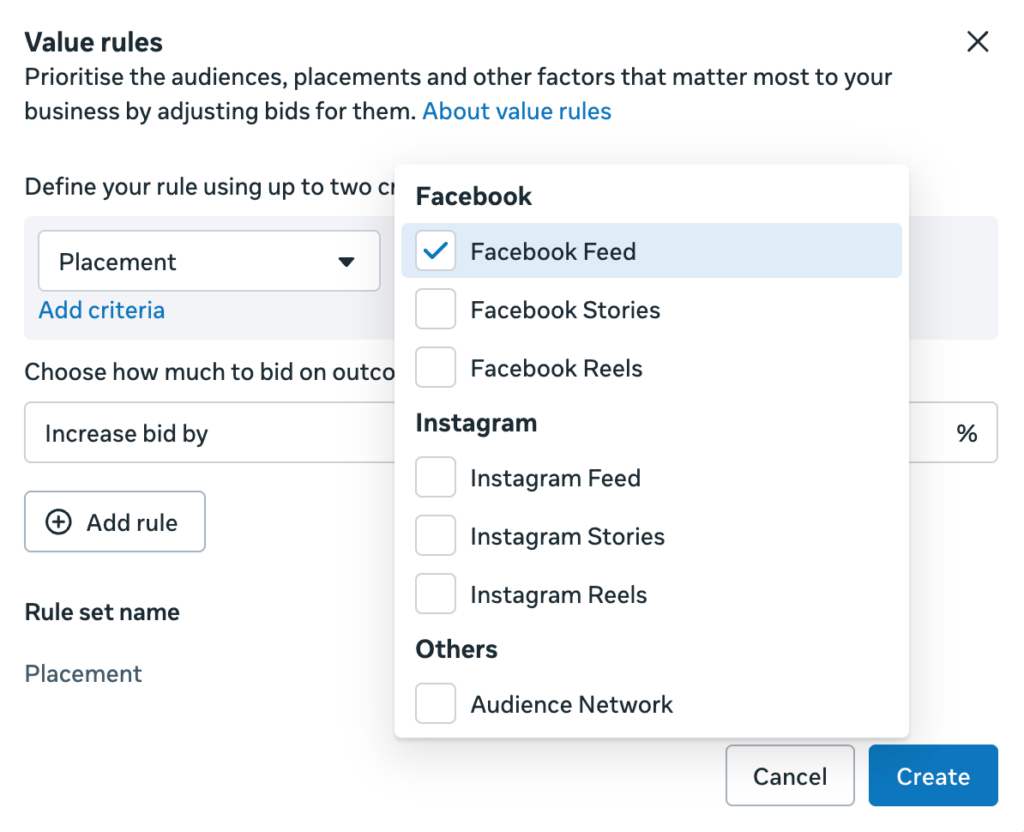
- Placement: Increase or decrease bids across eligible placements, including Audience Network.
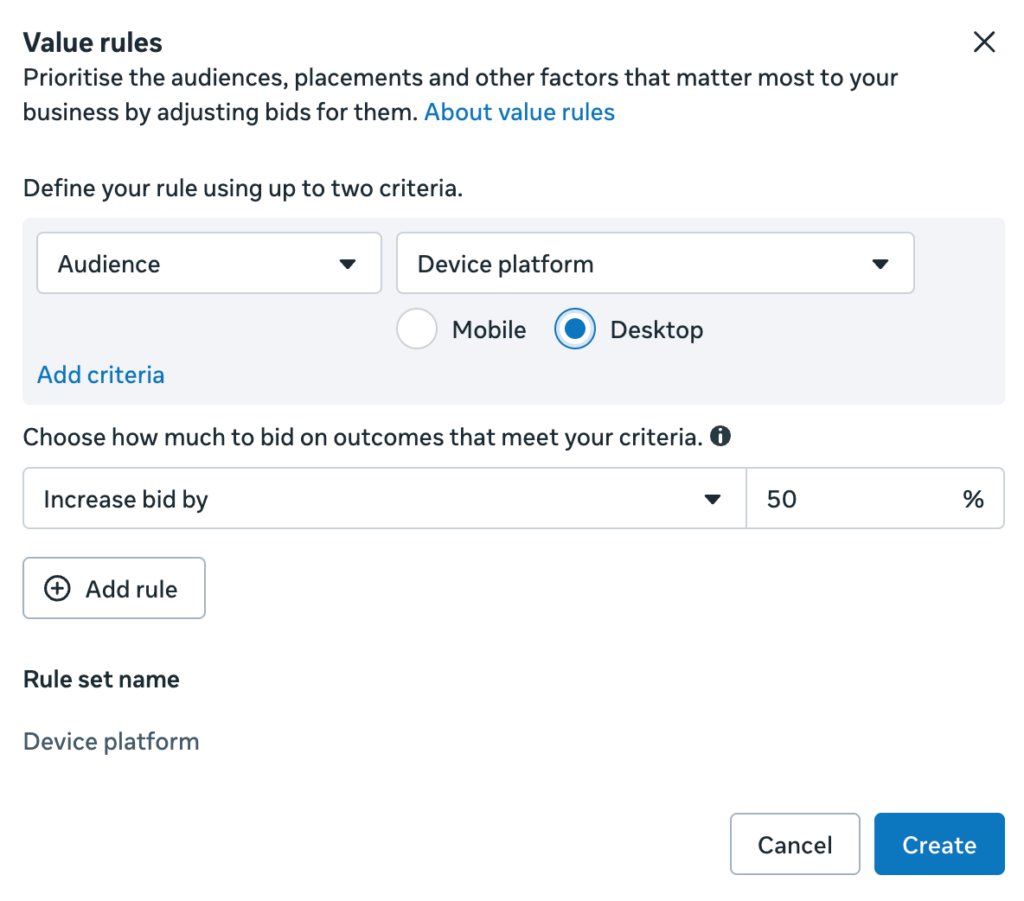
- Device: Adjust bids depending on whether users are on mobile or desktop.
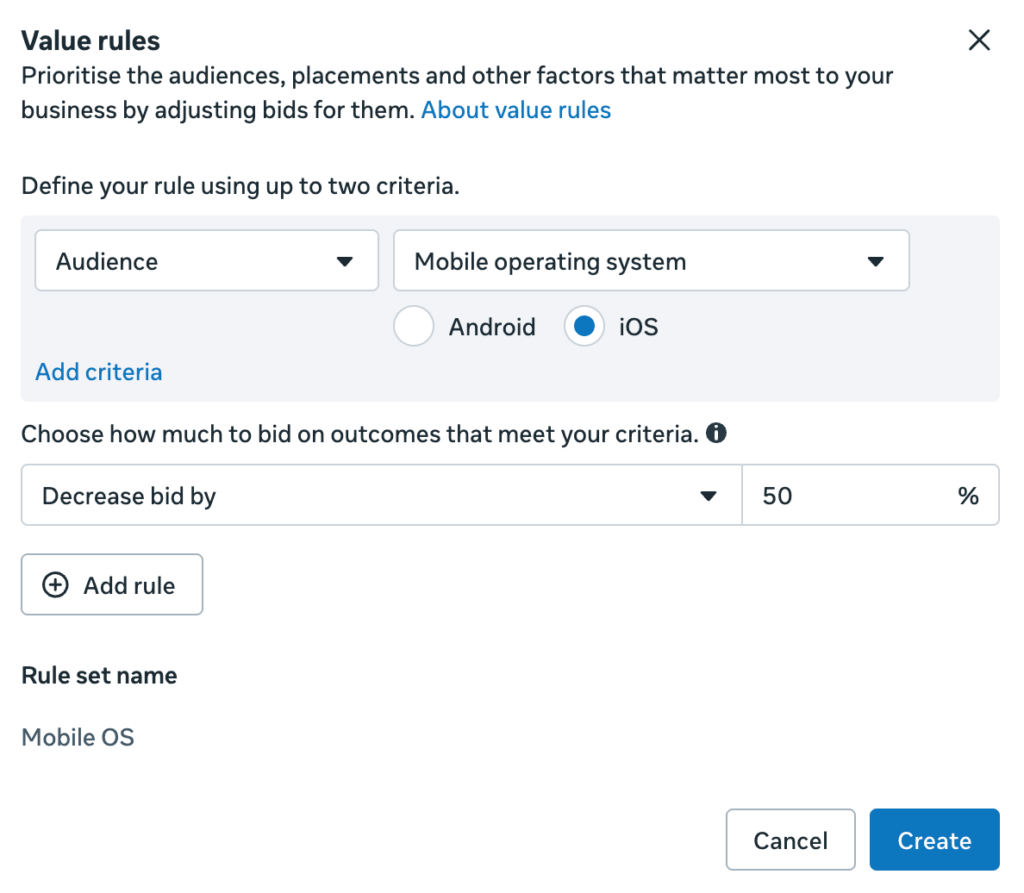
- Operating System: Apply different bid adjustments based on the user’s mobile operating system.
- Platform: While there is currently no direct platform-level Value Rule, advertisers can influence Facebook or Instagram delivery by adjusting bids for platform-specific placements.
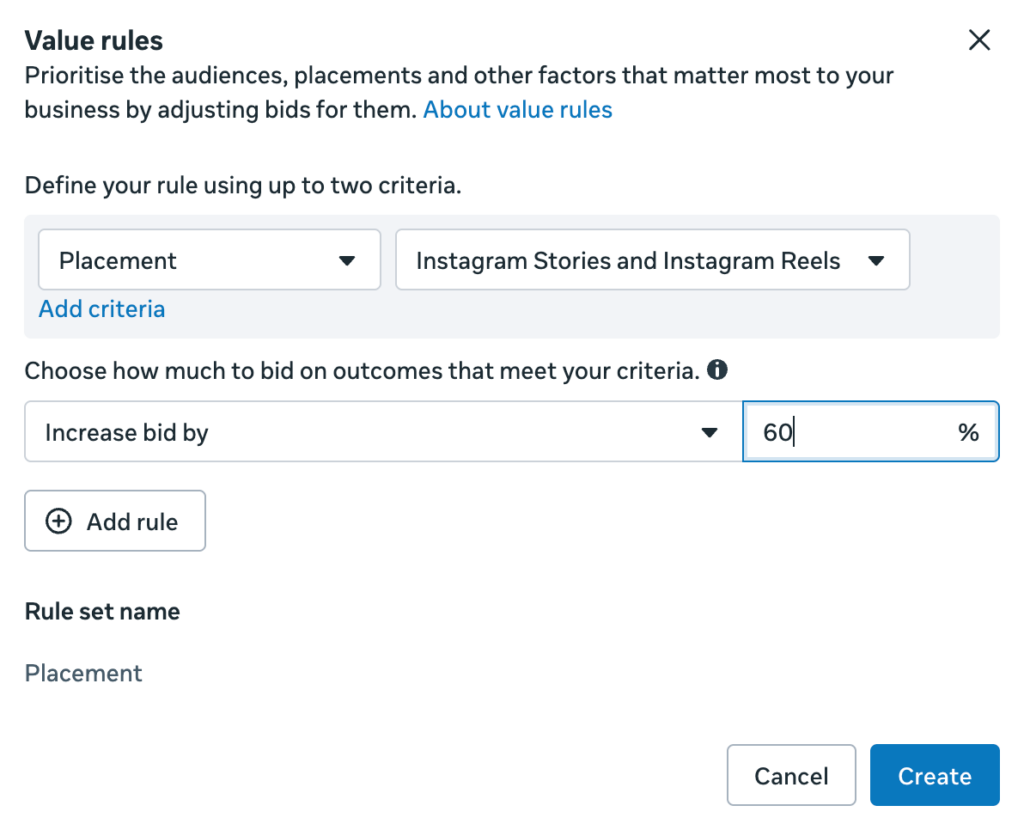
One limitation is that placement-based Value Rules currently support only a limited number of eligible placements, so they do not provide the same level of control as traditional Manual Placements.
2. Use Account-Level Placement Controls
Advertisers who have a genuine business requirement to avoid certain placements can still manage exclusions at the account level.
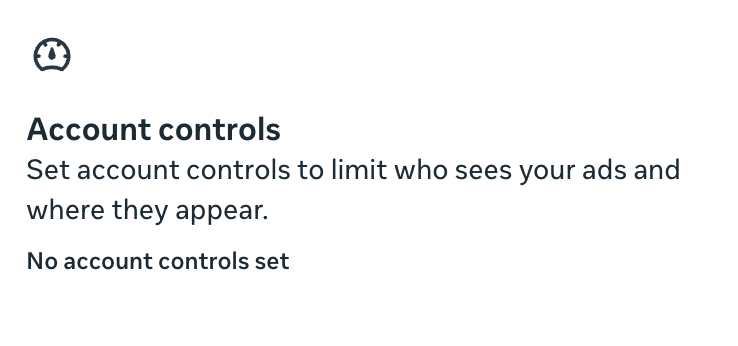
Inside Advertising Settings → Account Controls → Placement Controls, advertisers can indicate that their business can only advertise on specific placements and remove unwanted placements across the entire ad account.
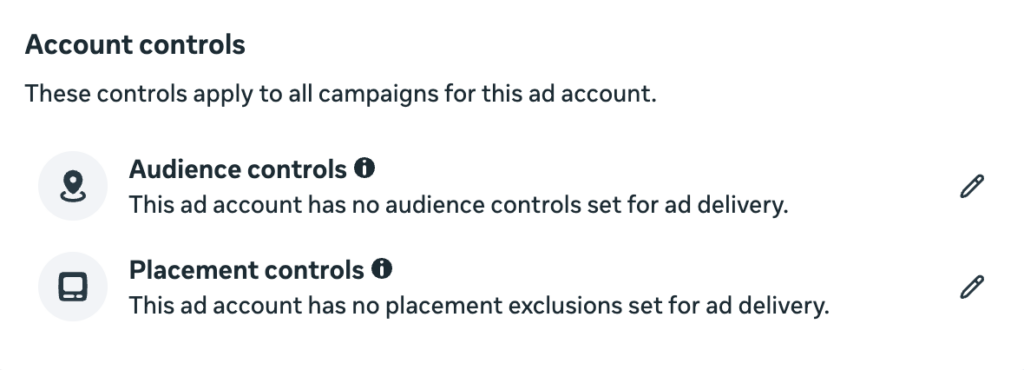
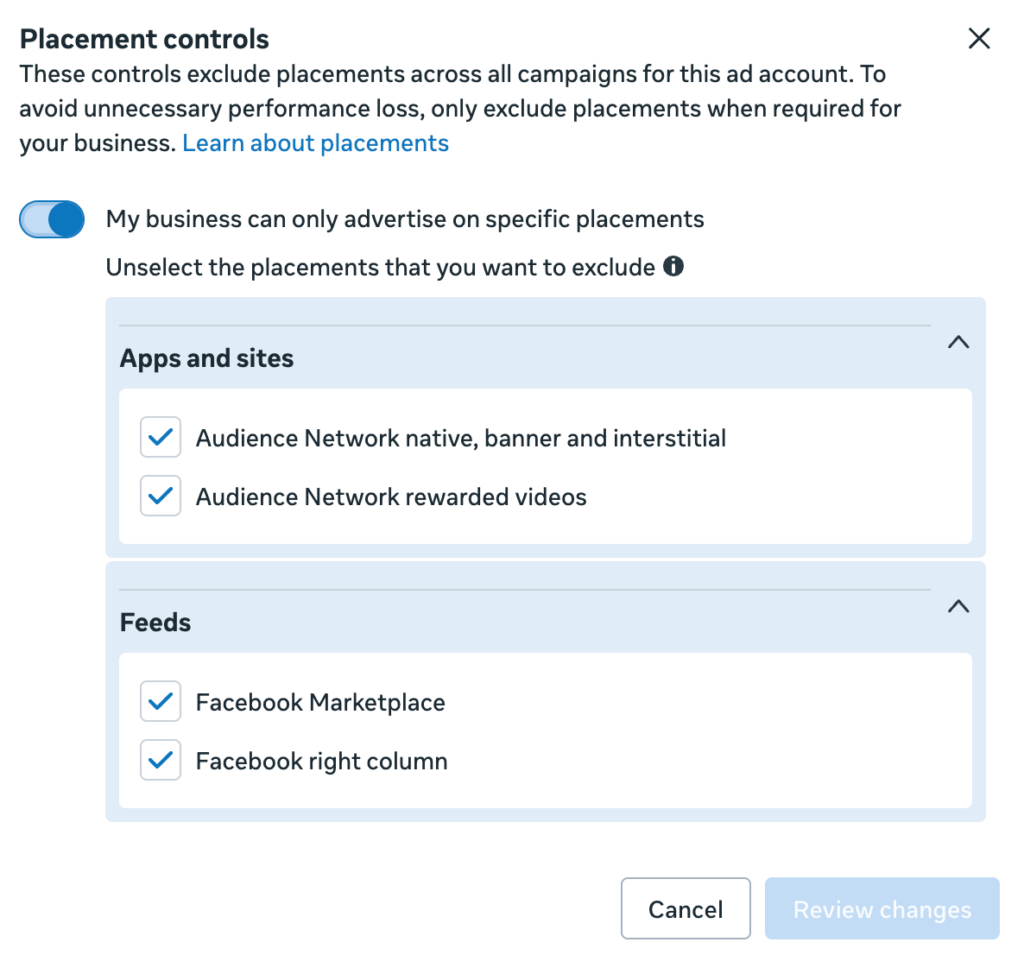
The key difference is that these exclusions would apply account-wide, rather than being configured separately for each Ad Set.
So, instead of completely losing control, advertisers are moving from Ad Set-level exclusions toward Value Rules and broader account-level placement controls.
Why Is Meta Making This Change?
The update fits Meta’s wider push toward automated campaign delivery.
Meta has increasingly encouraged advertisers to use Advantage+ placements, allowing its system to determine where ads should appear instead of manually restricting inventory.
By giving the algorithm access to more placements, Meta can evaluate more opportunities and allocate spend toward the placements it predicts will generate the best campaign outcome.
What Does This Mean for Advertisers?
For performance marketers, the biggest change is simple:
There will be less manual placement optimization.
Advertisers who regularly exclude placements because of poor CPL, CPA, or lead quality may need to rely more on Value Rules, account-level controls, and stronger conversion signals.
It also makes placement-level reporting more important. Even if Meta controls more of the delivery, advertisers should continue monitoring whether particular placements are generating meaningful business results rather than simply cheaper clicks or leads.
Final Takeaway
Meta’s placement update is another step toward a more automated Ads Manager.
Instead of advertisers deciding exactly where every ad should appear, Meta increasingly wants its algorithm to make those decisions based on campaign performance.
For advertisers, the focus is gradually shifting from managing placements manually to giving Meta better signals about the outcomes that actually matter.
The change is still appearing progressively across accounts, so advertisers may not see the same placement options everywhere yet.
Note
Meta has not officially announced this change as a platform-wide update. At the moment, it appears to be a test that is being rolled out to some advertisers, particularly within Sales and Leads campaigns.
This means not every advertiser will see these changes in their account yet, and the final implementation could still change before a broader rollout.
For now, advertisers should treat this as an early indication of where Meta’s placement strategy may be heading, rather than a confirmed global change.