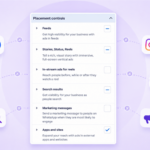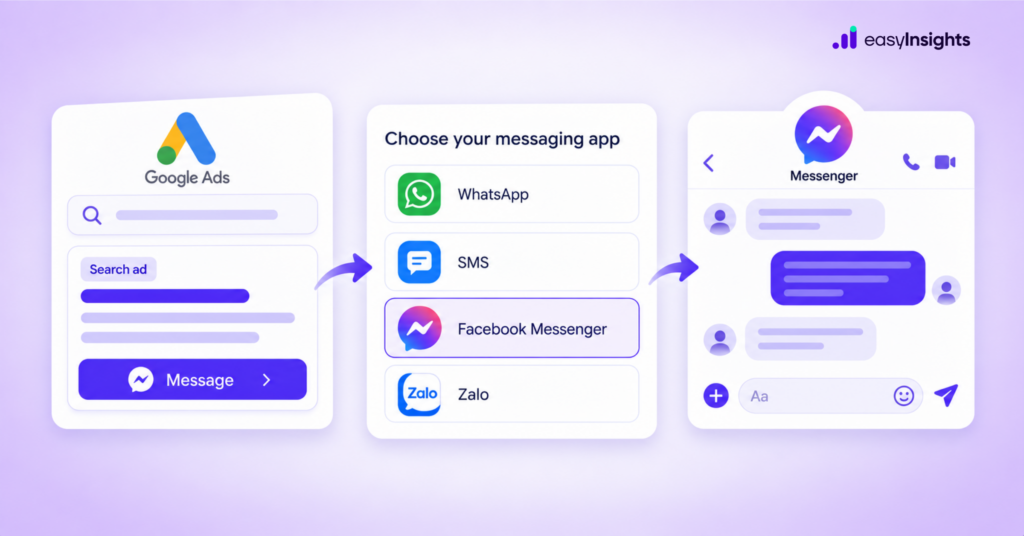
Google is testing message assets, a beta feature that allows eligible advertisers to add messaging options to Search and Performance Max campaigns. Depending on availability, advertisers can connect these assets to WhatsApp, SMS, Facebook Messenger or Zalo. (support.google.com)
For performance marketers, the interesting part isn’t simply that Messenger can now appear as an option.
It is that Google is beginning to make conversation another possible destination for Search intent.
And that raises a bigger question: Is Search advertising moving from clicks and landing pages toward conversations?
Jump ahead to:
What exactly is Google introducing?
Google’s message assets allow advertisers to add a messaging action to eligible campaigns. When a user clicks the message option, they can start a conversation with the business instead of immediately visiting the website.
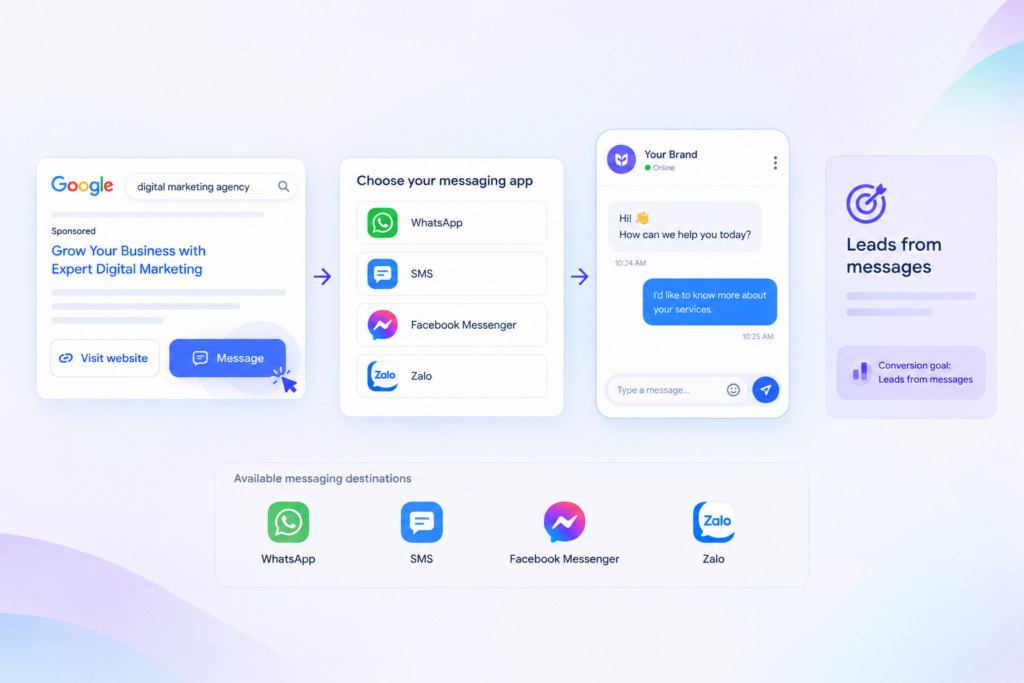
Google currently supports several messaging destinations, including:
- SMS
- Facebook Messenger
- Zalo
The feature is currently in beta, and availability can depend on the advertiser’s account, vertical and Google’s rollout. Google also provides a “Leads from messages” conversion goal for campaigns using approved message assets. (support.google.com)
This means Google isn’t simply adding a communication button to an ad. It is also creating a way to measure messaging as a lead-generation interaction.
Why this is different from a traditional Search journey
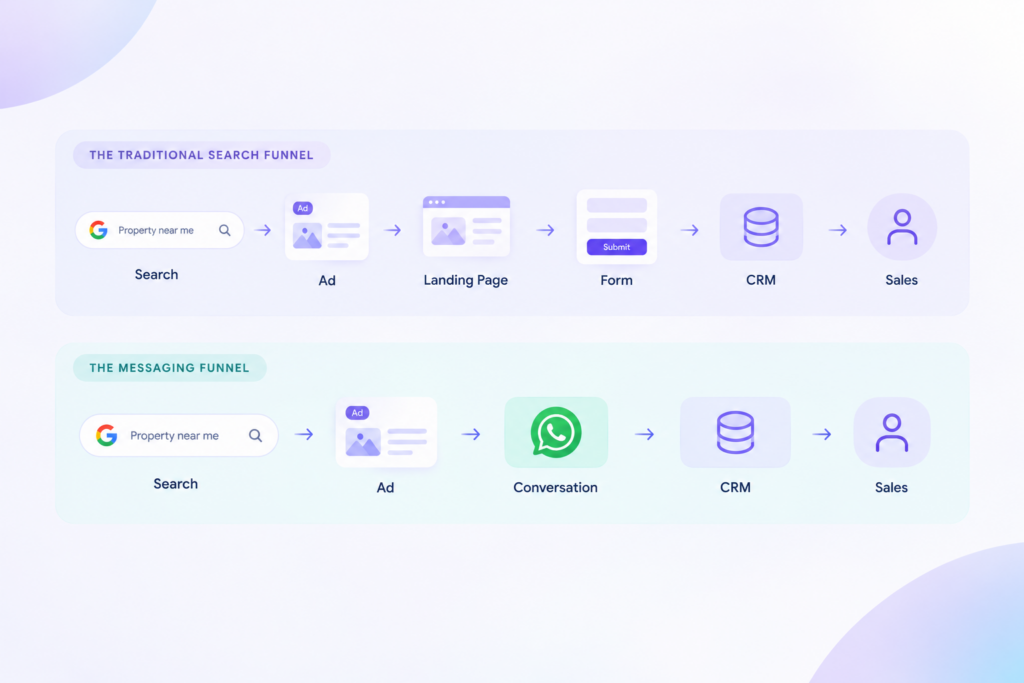
For years, the standard Search funnel has looked something like this:
Search → Ad → Landing Page → Form → CRM → Sales
Messaging introduces another possible route:
Search → Ad → Conversation → CRM → Sales
The difference is important for businesses where a prospect typically needs to ask questions or be qualified before becoming a serious opportunity.
Consider a real estate advertiser. A user searching for a property may want to know the price, availability, configuration or possession timeline before filling out a form. Sending that user directly into a conversation could create a more natural next step than asking them to complete a long enquiry form.
The same principle can apply to education, financial services, healthcare, automotive, B2B SaaS and other categories where buying decisions involve consideration and qualification.
The landing page isn’t going away. Messaging simply adds another conversion path.
What does this mean for Search advertising?
It is too early to call messaging a replacement for landing pages. Google’s Message Assets are still in beta, and availability is limited based on eligibility.
But the direction is worth watching.
Search advertising has traditionally moved users from intent to website.
Google is now testing a path from intent to conversation.
For performance marketers, the opportunity will be to understand where that conversation fits into the funnel, measure what happens after it, and connect those outcomes back to the advertising system.
Because ultimately, the value of a Search campaign is not determined by how many clicks, leads or conversations it generates.
Why Messenger makes this particularly interesting
The Facebook Messenger connection is noteworthy because it allows a user to discover a business through Google Search and then continue the interaction inside a Meta-owned messaging environment.
That creates a cross-platform customer journey that would traditionally have been much more fragmented.
For the advertiser, the important question isn’t which platform owns the conversation. It is whether that conversation can be connected back to the original advertising interaction and eventually to the business outcome.
This is where the role of the performance marketer becomes more important.
A message isn’t necessarily a quality lead
This is probably the biggest consideration for advertisers testing the feature.
A conversation can be a useful signal, but it does not automatically mean the person is a qualified prospect.
Someone may start a conversation because they are:
- Looking for basic information
- Comparing several providers
- Checking pricing
- Exploring a product without immediate purchase intent
- Ready to speak with sales
All of these users can generate the same initial messaging conversion.
This is similar to what marketers have already experienced with lead generation. A low CPL doesn’t necessarily mean better lead quality, and a low cost per conversation won’t necessarily mean better business outcomes.
The real value becomes visible further down the funnel.
The real question: what happens after the conversation?
This is where CRM data becomes critical.
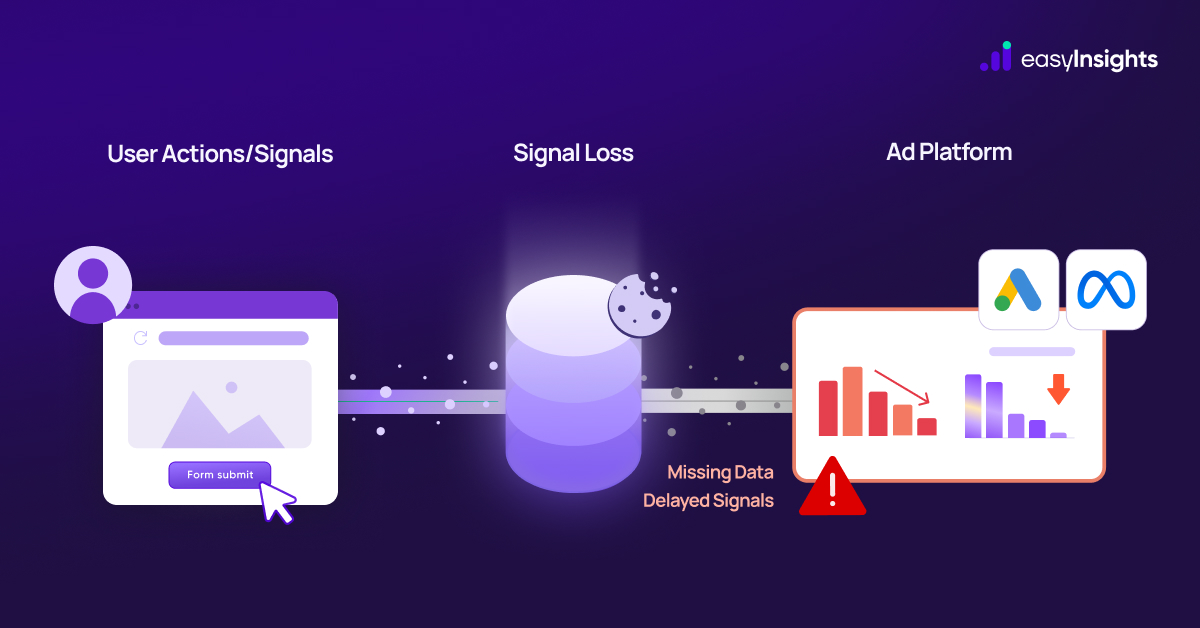
The advertising platform can tell you that someone searched, saw the ad and started a conversation. Your CRM can tell you what happened afterwards.
For example, that conversation could eventually become:
- A qualified lead
- An MQL or SQL
- A booked meeting
- A site visit
- An application
- An opportunity
- A closed customer
The specific milestones will depend on the business. A real estate company may care about site visits and bookings, while a B2B company may focus on SQLs, opportunities and revenue.
The important thing is to connect the initial advertising interaction with the outcome that the business actually values.
first-party data becomes an advertising signal
Performance marketing has been moving steadily away from measuring only what happens inside the ad platform.
The advertiser’s own systems often contain much richer information about lead quality and customer outcomes.
Google already supports importing offline CRM outcomes and differentiating between conversion stages such as qualified and converted leads. That reflects a broader shift toward using downstream business outcomes as advertising signals. (support.google.com)
Final Thoughts
Google’s move into messaging does not mean Search is becoming a messaging channel overnight. But it does show where paid acquisition is heading: closer to the actual customer conversation.
For performance marketers, the opportunity is not simply to generate more conversations. It is to understand which conversations turn into qualified leads, opportunities and revenue.
As Google expands ways for users to act directly from ads, the definition of a conversion will need to move beyond clicks, forms and message starts. The brands that connect those interactions back to real business outcomes will have a much clearer view of what their advertising is actually producing.
| Optimize your google ads campaign with EasyInsights Book a demo |